The 7 best Dutch snacks to eat in Utrecht, ranked
 Paper cone of Dutch fries with mayonnaise beside a canal in Utrecht
Seven cheap, genuinely local things to eat in Utrecht, ranked from the €5 sandwich students queue for to the buttery biscuit the city invented.
The rules of this ranking
This list ranks snacks, not restaurants: things you eat standing up, off paper, for €2-9, and that a local eats too. Utrecht is a good city for it because the student population keeps prices honest and the Saturday market puts fried fish, warm waffles and herring within 200 metres of each other. Ranking criteria: is it genuinely Dutch or specifically Utrecht, is it consistently good rather than famous, and can you find it without a reservation. Anything requiring a table and a wine list is out of scope.
What to skip first, so you do not waste an appetite. Skip the vacuum-packed stroopwafels in souvenir shops near the station: the whole point of the thing is a hot one from an iron. Skip Nutella-drowned waffles from tourist stands and the novelty cheese counters that exist to hand out toothpicks. Skip anything advertised in four languages on a board near the Dom. Prices here run €2-3 for a warm stroopwafel, €4-6 for fries, €5-7 for a broodje, €7-9 for a plate of bitterballen, and €5-8 for fried fish.
1. Bitterballen in an old brown bar
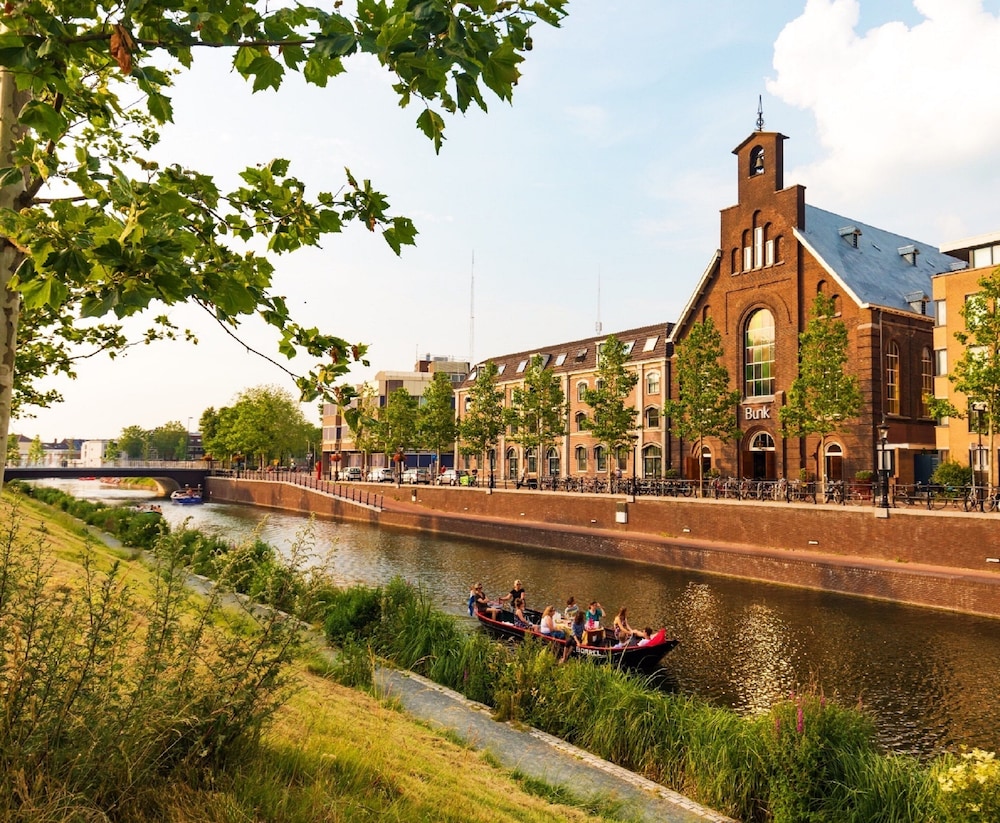
The national snack — crumbed, deep-fried balls of thick beef ragout, served with sharp mustard — and Utrecht's brown bars do it properly. A portion of six or eight costs €7-9 and is designed to be shared over a beer at around 17:00, the Dutch borrel hour. Café Ledig Erf, at the water where the Oudegracht meets the Tolsteegbrug, is the reliable pick: a proper old café, a big terrace at the lock, and a beer list good enough that you will order a second round. Expect a wait for a table on a warm Friday.
Judge them on three things: the crust should shatter, the inside should be molten and hold its shape when bitten, and the mustard should be grainy and hot enough to hurt slightly. If the ragout tastes of flour rather than beef, you are in a bar that buys the cheapest frozen box. For a cellar-level alternative with live music most nights, the wharf-cellar bars along the Oudegracht serve the same snack under 14th-century brick vaults. Order kroketten too if you prefer the sausage-shaped version, and eat them at the bar rather than taking them away.
2. Broodje Mario on the Oudegracht — the €5 student institution
This is the single most Utrecht thing to eat: a hot Italian-style filled roll from a tiny, decades-old counter on the Oudegracht, sold to generations of students for the price of a coffee elsewhere. Expect €4-6, a queue out of the door at lunchtime, no seating worth the name, and staff who move fast. Take it to the wharf steps below the street and eat it looking at the canal. It is not refined food; it is warm, salty, filling and the best value in the Binnenstad by a distance.
Practicalities matter here. Opening hours are limited and the place closes for part of the week and for holidays, so check before you cross town, and go slightly off peak — 11:45 or 14:15 — to skip the worst of the line. Order by pointing if your Dutch is nonexistent; nobody minds. If it is shut, the doner and Turkish pide shops on the Amsterdamsestraatweg and Kanaalstraat in Lombok fill the same €5-8 niche with better vegetables, and they open later into the night.
3. A stroopwafel straight off the iron at the market
A stroopwafel from a market van, pressed to order and folded round hot caramel syrup, bears no resemblance to the packet version. You get it in your hand at about 60 degrees, the syrup runs, and it costs €2-3. The Vredenburg market stalls on market mornings are the place; some vans park elsewhere in the city on other days. Eat it on the spot, over the paper, and do not attempt to walk with it. A second one is always a mistake and everyone makes it.
If you want to take some home, buy a bag of fresh ones from a market baker rather than the station shop, and accept they go stale in three or four days — that is the sign they were made properly. The other iron-pressed snack worth chasing is poffertjes, the little pancake puffs cooked in a dimpled pan and served with butter and icing sugar, €6-9 a plate at fairs, winter markets and a few permanent cafés. Both are much better in cold weather, which is convenient in a city that spends half the year at 8 degrees.
4. Utrechtse spritsen from a bakery on Zadelstraat
The city's own biscuit: a pressed shortbread ring, heavy on butter, crisp then sandy, sometimes half-dipped in chocolate. Theo Blom on Zadelstraat, a few steps from Domplein, is the bakery Utrechters name when asked, and it is a genuine old-fashioned shop rather than a concept — small windows, glass counter, chocolates alongside. Buy a few by weight for a couple of euros each and eat them with coffee rather than as a walking snack; they crumble down your front. This is the item on the list you cannot buy anywhere else in the country done properly.
It ranks fourth rather than first only because it is a biscuit, not a meal. Round it out with two other Dutch bakery items: appelgebak — a fat wedge of apple pie with a mound of unsweetened whipped cream, €4.50-6.50 in any decent café — and the tompouce, a pink-iced double slab of pastry and crème pâtissière that is impossible to eat with dignity and sold cheaply in every branch of the big Dutch department-store chain. In late December, switch to oliebollen from street stalls.
5. Herring and kibbeling from the fish stalls
Utrecht is inland, but the fish carts are as good as coastal ones because the supply chain is two hours long. Two things to order. Haring: a whole cured herring, chopped or held by the tail, with raw onion and pickle, €4-6. The Hollandse Nieuwe season starts in early summer, when the new catch is celebrated and the fish is fattest and mildest. Second, kibbeling: chunks of battered white fish, fried to order, €5-8 with garlic or tartare sauce, and the version everyone who claims to dislike herring actually eats.
Find them at the market stalls around Vredenburg and at the fish counters near the Vismarkt end of the Oudegracht, which is named for the fish trade that stood there for centuries. Quality tells: batter should be thin and pale gold, fish should flake, and the fryer should be busy enough that nothing sits under a heat lamp. Skip stalls with pre-fried trays. Eat it by the canal with a plastic fork, not in a restaurant where the same portion becomes €16 with a salad garnish.
6. Fries with the right sauce
Dutch fries are thick, twice-fried and served in a paper cone or tray with a heavy dollop of something. Mayonnaise is the default — richer and less sweet than the supermarket stuff — but the order to make is oorlog, literally war: mayonnaise, spiced peanut sauce and raw onion, at once ridiculous and the correct answer after a night out. Satésaus alone and curry ketchup are the other classics. Budget €4-6 for a medium with sauce, and expect frituur counters clustered around Vismarkt, Neude and the Amsterdamsestraatweg.
It ranks sixth because quality varies more than any other item here. Look for a counter that cuts and blanches its own potatoes, or a Flemish-style fry shop where the queue is Dutch and the fryers work in beef fat or a clearly labelled vegetable alternative. Skip anything sitting in a warming drawer. The best late-night version in the city is whatever is open at 02:00 near the Neude, and that is the point — nobody eats fries at 02:00 for the cooking. Share one cone between two if you have already eaten.
7. Cheese, but bought like a local
Cheese is not a snack in the Netherlands, it is a shopping trip, so do it properly and eat it on a bench. Buy at a market stall or a Twijnstraat cheese shop, not a tourist counter: young Gouda at €7-10 a kilo for sandwiches, aged 24-month at €14-20 for gravel-textured, crystal-crunchy slices worth the money, boerenkaas from a named raw-milk farm if you see it, and cumin-studded komijnekaas as the wildcard. Ask for a taste — you will be handed a shard on a knife without ceremony. A quarter kilo feeds two people generously.
Assemble the rest at the market: rye bread, mustard, a bag of radishes, and a bottle of something from a Twijnstraat wine shop. Total for two, around €15. Sit on the Oudegracht wharf below street level with your feet near the water, which is the cheapest good seat in the city and costs nothing while the terrace above charges €4.50 for a coffee. Skip the pre-sliced vacuum packs and the flavoured novelty rounds in tourist shops near the Dom; they are engineered for suitcases, not for eating here.
Before you book
The questions people ask about Utrecht, answered with this month’s numbers.
Two candidates. An Utrechtse spritsen biscuit from the old bakery on Zadelstraat is the city's own recipe, buttery and crisp, for a couple of euros. The other is a hot filled roll from the long-standing counter on the Oudegracht, about €4-6, which generations of Utrecht students have eaten on the wharf steps.
Around €20-25 a person covers it comfortably: a market breakfast for €5, a broodje or fried fish for lunch at €5-8, a coffee and apple pie for €7, and a shared plate of bitterballen with a beer for €12-15 split two ways. That is roughly half the cost of sit-down restaurant meals.
Yes. Vegetarian and vegan kroketten and bitterballen are common in Utrecht bars, often filled with mushroom, satay-spiced or cheese ragout, and the collective-run café on Voorstraat serves cheap vegan food. Fries, poffertjes, stroopwafels and the bakery items are all naturally meat-free — ask which frying fat is used if that matters.
The prized new catch, Hollandse Nieuwe, arrives in early summer and is celebrated with the first-barrel tradition; the fish is fattest and mildest then. Cured herring is sold year-round from market carts and fish counters at €4-6 per fish, and kibbeling — battered fried white fish for €5-8 — is available in every season.