Binnenstad Utrecht: a guide for tourists
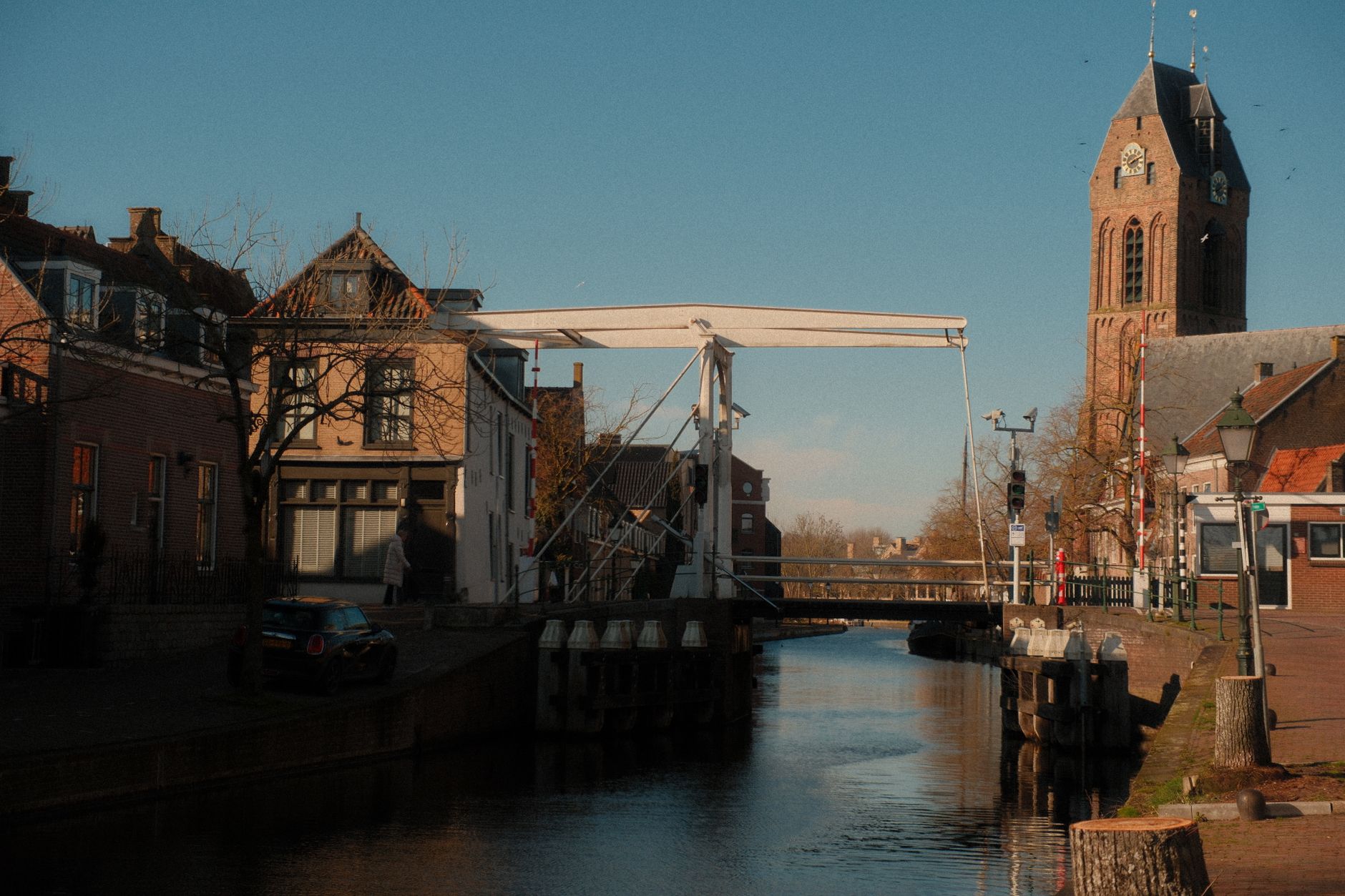 The Dom tower rising above canal houses in Utrecht's Binnenstad
Utrecht's old town is a 1.5 km-wide oval inside a moat, with a 112-metre tower at its centre and two double-level canals running through it — here is how to use it, where to sleep, and the 4 pockets that stay quiet.
The shape of the place
The Binnenstad is the medieval city inside the singel, the old moat, now a landscaped park-and-water ring designed in the 19th century by the Zocher family. It is small — 20 minutes' walk end to end — and organised around two canals. The Oudegracht, dug from the old Rhine channel, runs roughly north-south with its wharf terraces; the Nieuwegracht, from the 1390s, does the same one street east, quieter and shaded by limes. Everything worth seeing is within 700 metres of Domplein.
Orientation is easy because the Dom tower is visible from nearly everywhere: 112.5 metres, the tallest church tower in the Netherlands, freestanding since the nave collapsed in a tornado in 1674 — which is why there is now a square where a cathedral used to be. Climbing it is by guided tour only, some 465 steps, tickets timed and often sold out days ahead in summer. Check the current schedule with the tour operator; access arrangements have changed since the tower's long restoration.
The sights worth your hours
In order: Museum Speelklok on Steenweg, a collection of automatic musical instruments — street organs, orchestrions, musical clocks — demonstrated hourly and far better than the description suggests; the Centraal Museum on Agnietenstraat for Utrecht's Caravaggisti, its Rietveld collection and the world's oldest known boat, a 4,500-year-old dugout; Museum Catharijneconvent on Lange Nieuwstraat for medieval religious art in a former convent; and DOMunder, which takes you into the excavated Roman and medieval layers beneath Domplein by torchlight.
The free ones matter too. The Pandhof, the Dom's cloister garden behind the tower, is a walled herb garden that most day-trippers walk past. The Neude library, in the monumental 1920s post office, is one of the best pieces of adaptive reuse in the country and open to anyone. Saturday brings a flower market to Janskerkhof and a fabric market to Breedstraat, and the Vredenburg market runs Wednesday, Friday and Saturday, with the Friday organic stalls the most interesting. Confirm days seasonally.
Where to sleep inside the ring, and what it costs
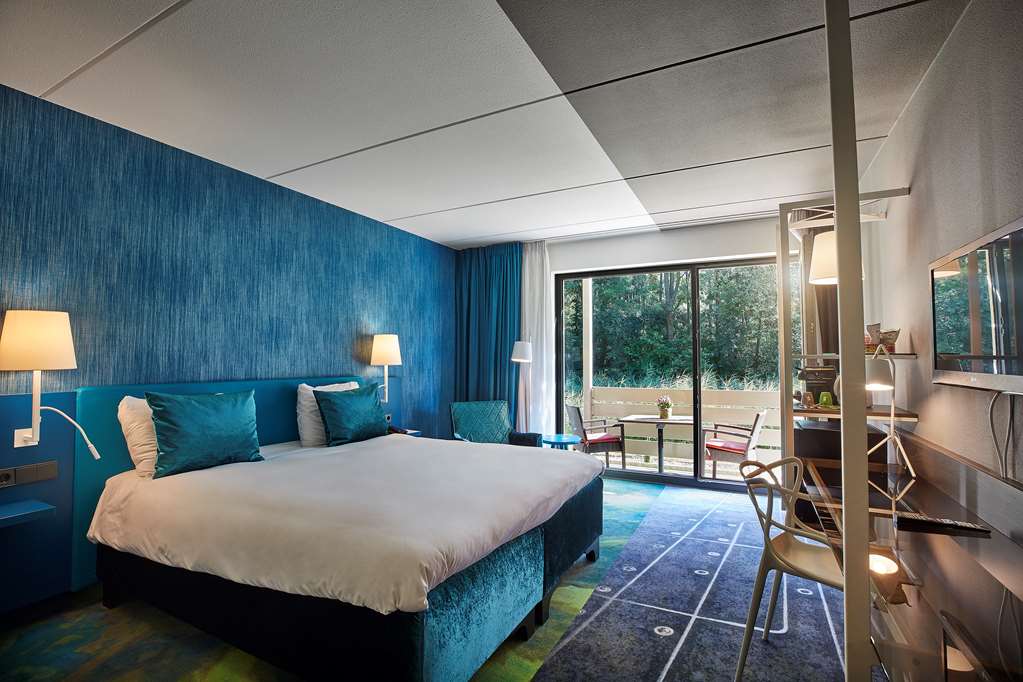
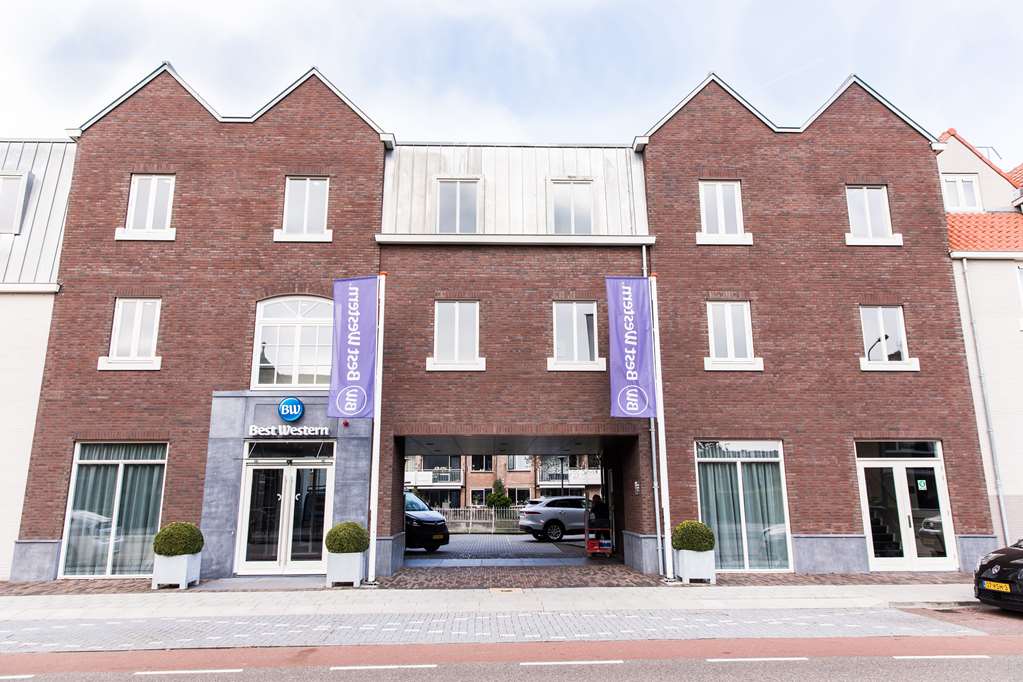
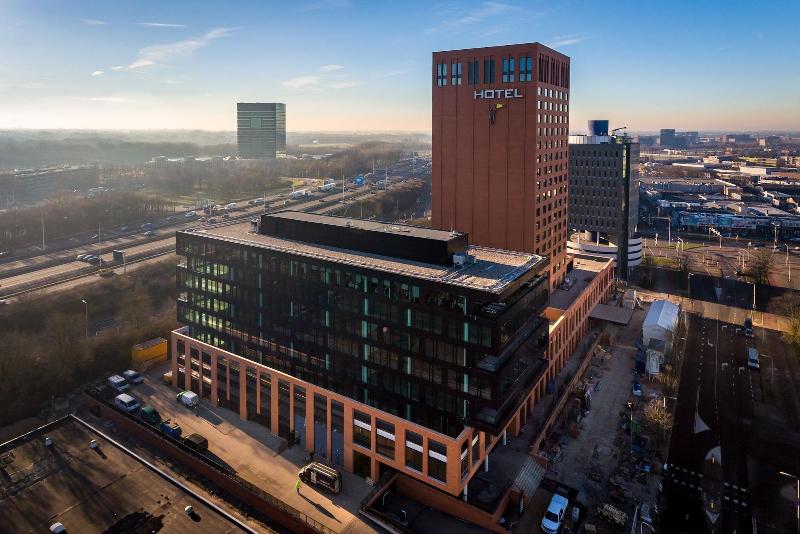
Three types. Canal-house boutique hotels and guesthouses on and off the Oudegracht and Nieuwegracht: 10-25 rooms, beams, €160-260, and usually no lift and steep stairs. Larger four-stars on the western edge toward Catharijnesingel and the station: lifts, air-conditioning, €150-220, five minutes from the trains. And a hostel just off Neude with dorms around €30-42 and private rooms €95-140. A percentage-based city tourist tax is added on top of all of them; confirm the 2026 rate on your booking.
The quiet pockets, in order: Nieuwegracht and the Museumkwartier around Lange Nieuwstraat; Springweg and Geertebuurt in the southwest; Bemuurde Weerd at the northern tip; and the streets behind Janskerkhof toward Drift and the old university buildings. The loud ones: the Oudegracht between Bakkerbrug and Stadhuisbrug, where wharf terraces run to 01:00 at weekends, and Nobelstraat and Janskerkhof's bar side, which is student territory on Thursday nights. Ask for a courtyard room and take the earplugs the hotel offers.
Eating and drinking, street by street
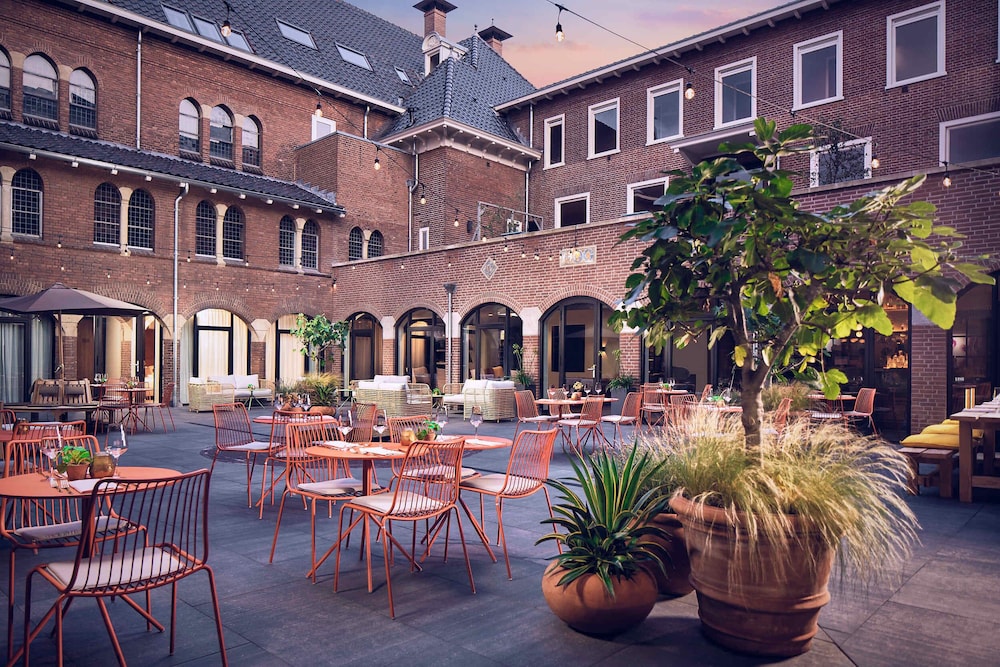
Twijnstraat for provisions: cheesemonger, fishmonger, wine merchant, deli, all within 200 metres, which is how to eat well here for €15 rather than €45. Voorstraat and Wittevrouwenstraat for mid-priced kitchens with a student edge — €16-24 mains, plenty of vegetarian, no dress code. Oudkerkhof and Ganzenmarkt for the smarter end. Ledig Erf, at the southern tip, for the best beer selection and the calmest terrace. Mariaplaats for morning coffee at €3.20 among conservatory students.
The pattern to avoid is eating anywhere with a photographic menu on the busiest 300 metres of the Oudegracht. The pattern to adopt: drink on the wharf, eat one street back. For something specifically Utrecht, look for the local organic brewery's beers on tap around the Binnenstad, and the city-castle brewery on the Oudegracht in a 14th-century fortified house. For cheap and excellent, walk 15 minutes west to Kanaalstraat in Lombok, where a plate is €7-12.
Getting in, around and out
Utrecht Centraal, the busiest station in the Netherlands, sits directly against the western edge — you walk out through the Hoog Catharijne shopping centre and are on Vredenburg in eight minutes. Schiphol is roughly 35 minutes by direct train, Amsterdam Centraal 27, Rotterdam and Den Haag around 40, Amersfoort 15-20. Contactless payment with a bank card works on trains, trams and buses under the national OVpay system; check the current arrangements if you are using a foreign card.
Inside the ring, walk. It is faster than any vehicle and the werf levels are pedestrian-only anyway. For anything beyond, take a bike: the Stationsplein garage holds around 12,500 of them and the first 24 hours are free, station hire is roughly €5 a day for OV-fiets subscribers and €10-15 from shops. Do not bring a car in. One-way loops, bus gates, rising bollards and garage tariffs of €3.50-4.50 an hour make it a bad idea; use a park-and-ride at Westraven or Papendorp instead.
What is overrated in the old town
Neude's giant terraces: no water, tourist pricing, and the square itself was rebuilt so recently that it has the charm of a well-swept car park. The canal boat tour is genuinely worthwhile at €15-18 for an hour, but the 30-minute version is not. Hoog Catharijne is a competent shopping mall you did not travel here for. And the Dom tower climb, while excellent, is not worth reorganising a trip around if slots are gone — the view from the Neude library's upper floor is free and nearly as good.
Also resist the urge to do all four central museums in two days. Speelklok and the Centraal Museum are the two to prioritise; Catharijneconvent rewards an interest in medieval art specifically. What deserves more time than most itineraries give it: the Rietveld Schröder House on Prins Hendriklaan, 20 minutes east of the ring, a 1924 UNESCO-listed manifesto of a house visited by timed guided tour in small groups — book weeks ahead through the Centraal Museum.
Seasons, noise and events to plan around
The Binnenstad is at its best in May, June and September: long light, terraces open, students still in town but not in exam panic. July and August empty out the local population and fill the centre with visitors; hotel rates soften midweek but the Oudegracht is shoulder-to-shoulder at weekends. Late August brings the Early Music Festival to the city's churches — a genuinely special use of Utrecht's medieval acoustics — and November brings a large experimental music festival that fills every hotel bed in the city.
Two hard dates: 27 April, King's Day, when the entire centre becomes a street party and free market and hotels sell out months ahead; and 11 November, Sint Maarten, Utrecht's patron saint, with lantern parades and a genuine local feel. Trade fairs at the Jaarbeurs, just across the station, are the invisible price shock — a big one can double central room rates on an ordinary Tuesday. Check the Jaarbeurs calendar before you fix dates.
A two-day plan that works
Day one, on foot: coffee on Mariaplaats, the Pandhof and Domplein at 09:30 before the crowds, DOMunder or the Dom tour, lunch from Twijnstraat eaten on the wharf, Museum Speelklok mid-afternoon, then the Nieuwegracht walk south to Ledig Erf for a beer at 17:00 and dinner on Voorstraat. That covers the essential Binnenstad without a single vehicle and about 7 km of walking.
Day two, by bike: hire at the station, ride 6 km north along the Vecht to Slot Zuylen for a guided tour, back along the water for lunch at the Weerdsluis, then east through the ring to the Rietveld Schröder House and on to Amelisweerd's estate woods and the pancake house at Rhijnauwen, roughly 20 km in total and flat throughout. Return over the Kromme Rijn at dusk. That combination — old town, water, modernism, forest — is the province in miniature and costs under €50 a head beyond the bed.
Before you book
The questions people ask about Utrecht, answered with this month’s numbers.
For a two- or three-night visit, yes — you walk everywhere and the wharf terraces are on your doorstep. Expect €160-260 for a canal-house double, stairs instead of lifts, and weekend noise on the Oudegracht. Families and drivers do better outside the ring.
Two full days covers the tower, two museums, both canals and a proper evening. One day is enough for a first impression if you skip the museums. Add a third day if you want the Rietveld Schröder House, the Railway Museum and a castle or the Heuvelrug.
Rarely in season. Access is by guided tour with timed tickets, roughly 465 steps, and summer slots sell out days ahead. Book online before you travel and check the operator's current schedule, since opening arrangements have changed since the tower's restoration.
Yes, the municipality levies a percentage-based tourist tax on overnight stays, and it is often shown separately from your room rate or collected at check-in. The rate is set annually, so confirm the 2026 figure with your hotel or booking platform rather than assuming last year's number.