How to pay for trains, trams and buses in Utrecht
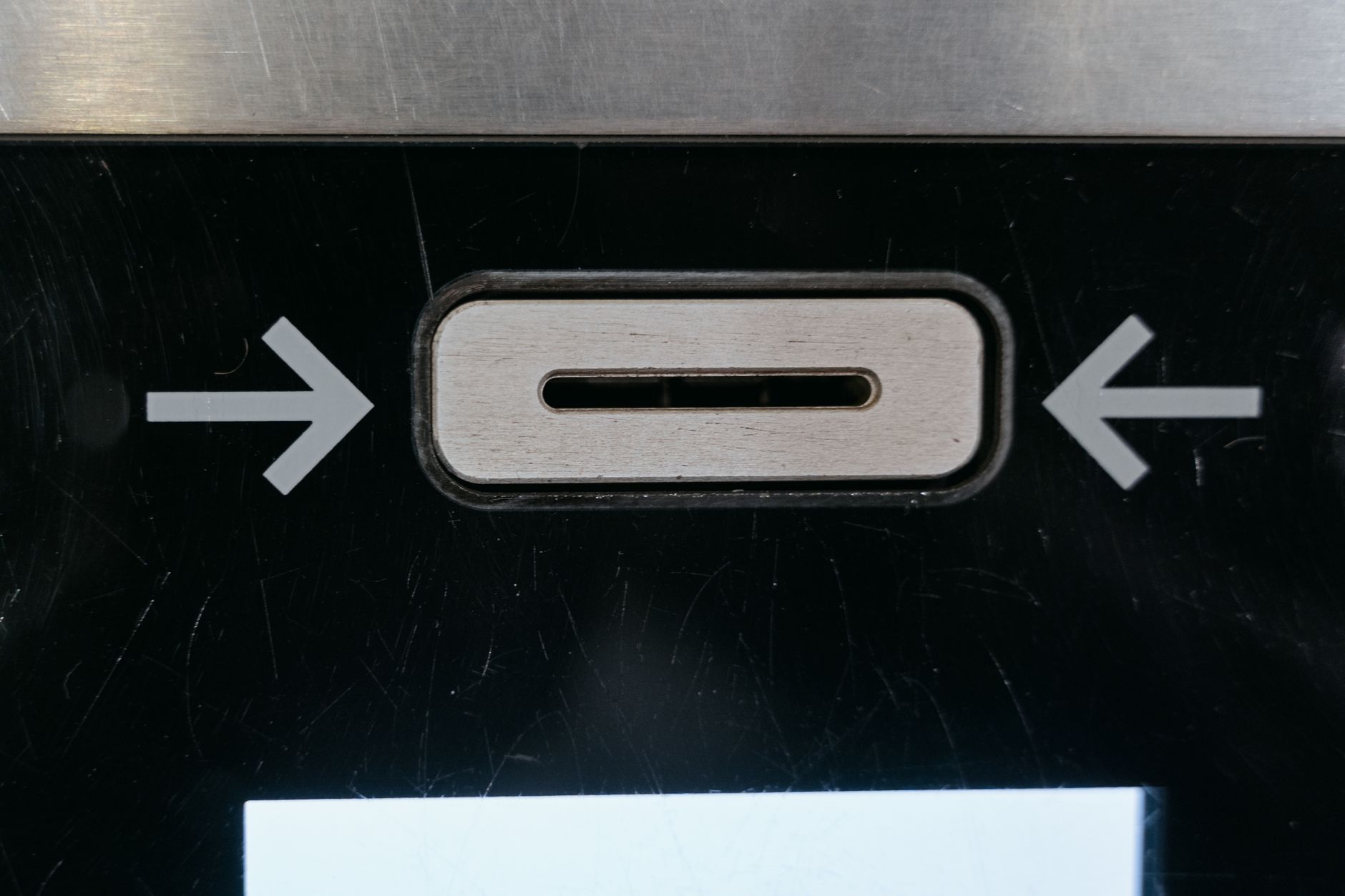 Traveller tapping a contactless bank card on a card reader at a Utrecht tram stop
Tap a contactless bank card or phone at the reader, both on the way in and on the way out — that single habit covers every train, tram and bus you will use in the Utrecht region, and forgetting the second tap is what costs people around €20 a time.
The short answer: tap your own bank card
The Dutch system now accepts contactless debit and credit cards and phone wallets directly on national trains, on Utrecht's trams and on regional buses, under the OVpay scheme. You do not need to buy a local travel card, you do not need to load credit, and you do not need to plan your journey in advance. Tap on the post or gate as you board, tap again on the same card as you get off, and the fare is calculated from the distance and charged to your card, usually as a single combined amount later. Use the same physical card or the same phone for both taps or the system cannot match them.
The old anonymous stored-value cards have been wound down and are no longer the default advice, so ignore any guidance telling you to buy one at a kiosk and top it up. Where contactless is not an option — a card that refuses, a phone that dies mid-trip — you can still buy a paper ticket from a machine at any station, though NS adds a small surcharge for the physical ticket. Because payment rules and surcharges are set nationally and updated, confirm the current arrangements with NS or the OVpay operator before you travel.
Checking out is the expensive part
Every incomplete journey is billed at a fixed maximum rather than the distance you actually travelled, and on the national rail network that maximum runs to roughly €20. The mistake is easy: you get off at Utrecht Centraal onto a busy island platform, walk straight up the escalator into Hoog Catharijne, and never pass a gate. Utrecht Centraal is gated, which protects you, but plenty of regional stations have free-standing posts on the platform that you can walk past without noticing. Look for the yellow-grey pillars, hold the card flat until it beeps and shows a green tick.
On trams and buses, the readers are inside the vehicle, not on the platform. Tap on boarding, then tap again at the door before you step off, even for a two-stop ride. Refunds for missed check-outs exist but require a form, a wait and a card statement, so it is far less painful to build the habit. If you are travelling with someone, tap each card separately; one card cannot cover two people on the train network, which differs from some other European systems and catches couples out constantly.
Trains: what things roughly cost and how fast they are
Utrecht Centraal is the busiest interchange in the country, and almost every intercity in the Netherlands touches it. Amsterdam Centraal is around 27 minutes away, Schiphol Airport around 30 to 35 minutes on direct trains, Rotterdam and Den Haag both roughly 40 minutes, Amersfoort about 15, Gouda about 20. Second-class one-way fares on the Amsterdam and Schiphol runs sit in the region of €10, with shorter regional hops from a few euros. Fares are revised annually, so treat those as an order of magnitude and check the NS journey planner for the exact figure on the day.
First class exists on intercity trains and costs a substantial premium for a slightly wider seat and a quieter carriage; on a 27-minute hop it is not worth it, on a Friday evening when the second-class vestibules are packed with bikes and students it occasionally is. Trains run every 10 to 15 minutes on the main corridors during the day, so there is little point in fixing yourself to a departure. Departure boards show the platform letter as well as the number — Utrecht Centraal splits long platforms into A and B halves and standing on the wrong half means watching your train leave from 200 metres away.
Trams and buses: what actually runs
Utrecht has trams and buses, no metro. The tram network is small and specific: one branch runs south from Utrecht Centraal towards Nieuwegein and IJsselstein, and another runs east to Utrecht Science Park, the university and hospital campus also known as De Uithof. If you are visiting the Botanical Gardens or the university museum, the tram is the sensible ride, taking around 15 to 20 minutes end to end. For everything inside the Singel, the tram is irrelevant, because the historic centre is walkable in 20 minutes corner to corner.
Buses under the U-OV brand fill in the rest: routes out to Overvecht, Zuilen, Kanaleneiland, Leidsche Rijn, Rijnsweerd and the surrounding towns, plus regional services to Zeist, De Bilt, Bilthoven and Houten. A typical short city ride works out in the low single euros with distance-based pricing. Frequencies drop sharply after about 20:00 and again on Sundays, and a limited night network operates on weekend nights only. Check the current timetable with U-OV, because route numbers and evening frequencies are adjusted at each timetable change.
Children, groups and the passes worth buying
Children under four travel free on the trains. Children aged four to eleven can travel on a heavily discounted national day ticket when accompanied by an adult, which costs a couple of euros and covers the whole day across the rail network — it is the single best-value thing in Dutch transport and hotel receptions rarely mention it. Buy it from a machine or through the NS app before boarding, not from the conductor. On buses and trams, children's fares are also reduced; the exact thresholds and prices are set by the operators, so verify before you rely on them.
Group day tickets on the national network can bring the per-person cost down sharply for four or more people travelling together off-peak, and are worth pricing up if you are heading to Rotterdam or Den Haag for the day. Regional tourist day tickets exist too, but do the arithmetic honestly: if your day involves two tram rides and a walk, contactless pay-as-you-go is cheaper. Passes generally only win when you are making four or more separate paid journeys, which is unusual in a city this compact.
The passes and add-ons to skip
Skip anything sold as a sightseeing transport pass bundling attraction entry with travel unless you have checked each museum ticket price individually; Utrecht's museums are modestly priced and the bundles rarely beat buying separately for a two-day trip. Skip first-class supplements on regional runs. Skip taxis for anything inside the Singel, where a €15 to €25 fare buys you a slower journey than walking, because the centre's streets are semi-pedestrianised, one-way and full of cyclists. Ride-hailing exists but is thin outside peak hours compared with Amsterdam.
Also be sceptical of the OV-fiets station rental bikes that guidebooks recommend. They are cheap, under €5 for 24 hours, but they require a personal Dutch transport subscription linked to a bank account, which visitors generally cannot obtain. A commercial rental shop in the Binnenstad at €10 to €15 a day is the realistic option for a tourist, and comes with a lock, a map and someone to call. Airport transfer by private car from Schiphol runs to €90 or more; the train does it in half an hour for around a tenth of that.
Bikes on trains, luggage and late nights
You can take a full-size bike on Dutch trains outside weekday peak periods with a separate bike day ticket costing roughly €8, and never during the morning and late-afternoon rush windows. Folding bikes travel free at any time if folded. Luggage travels free but there is no dedicated baggage car, so a large suitcase lives in the vestibule with you; Utrecht Centraal also has left-luggage lockers if you want a day in the city between checkout and a late flight. Locker prices and sizes are posted at the station and change, so confirm on the day.
Late at night, the rail network thins to hourly on many routes after midnight, with a reduced overnight service only on the busiest corridors such as Utrecht to Amsterdam and Schiphol. Trams stop earlier than you would like. If you are out in the Binnenstad until 02:00 and staying in Zeist, Houten or Leidsche Rijn, plan the way home before you go out — a weekend night bus, a taxi rank at Vredenburg or Stationsplein, or a bike. That single piece of planning removes the most common transport frustration visitors report here.
Before you book
The questions people ask about Utrecht, answered with this month’s numbers.
No. On the national rail network each traveller needs their own tap, so use separate cards or separate phones. Buses and trams also charge per tap. If one of you has no card, buy a paper ticket from a station machine instead, accepting the small surcharge NS adds for physical tickets.
You are billed a fixed maximum rather than your actual distance — on the rail network that runs to roughly €20. Refunds are possible through the operator's online form with your card details and journey date, but the process takes time. Always tap out at the gate or the platform pillar, and on trams and buses at the door.
No metro. Utrecht has two tram branches, one to Nieuwegein and IJsselstein and one to Utrecht Science Park, plus a dense bus network and the national rail hub at Utrecht Centraal. Schiphol is served by ordinary direct intercity trains taking around 30 to 35 minutes, several times an hour during the day.