Best sustainable and eco-certified hotels in Utrecht
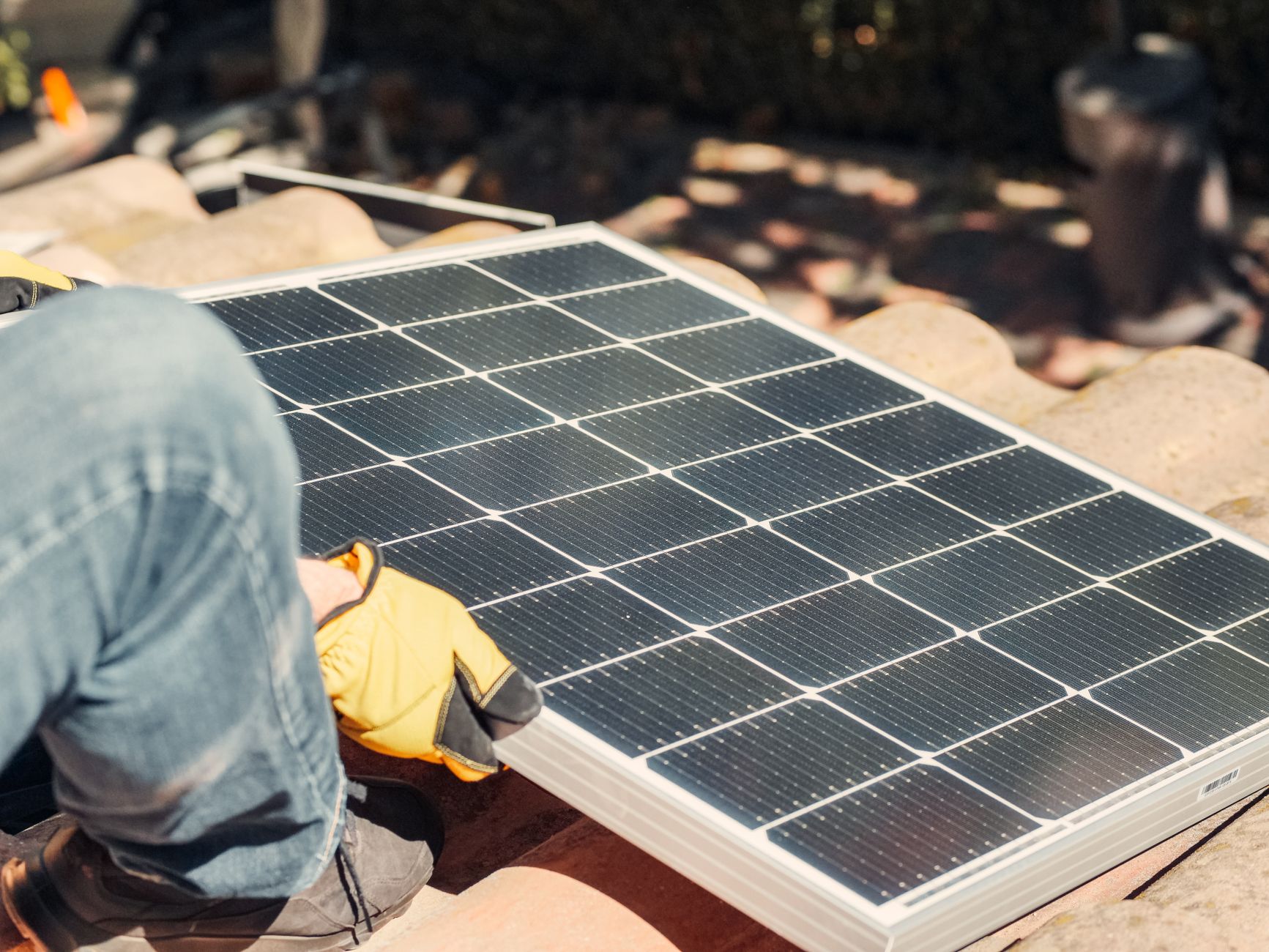 Solar panels above a station roof in Utrecht with bicycles parked below
Utrecht aims to be climate-neutral by 2030 and parks 12,500 bikes under one station square, so here are 7 kinds of stay — Green Key holders to farm rooms — ranked on what they actually change rather than what the towel card claims.
What the labels mean here
In the Netherlands the label that matters is Green Key, the national sustainability certificate held by hundreds of hotels, hostels and campsites in bronze, silver and gold tiers. It audits energy and water use, waste separation, purchasing and staff training, and gold requires measurable improvement rather than good intentions. A smaller number of properties hold the EU Ecolabel, which is stricter and rarer. Anything else — a house-designed leaf logo, a linen card, a bamboo toothbrush — tells you nothing at all.
Ask two questions and you will out-research most guests. First: which tier of Green Key, and when was it last renewed? Certificates lapse. Second: what is the heating? Large parts of Utrecht are on a district heating network, and new-build hotels increasingly run heat pumps with rooftop solar, which is a genuinely different footprint from a 1970s gas boiler behind a green banner. Certification lists are published and searchable, so verify before you book rather than after.
Station-district hotels: the unglamorous best answer
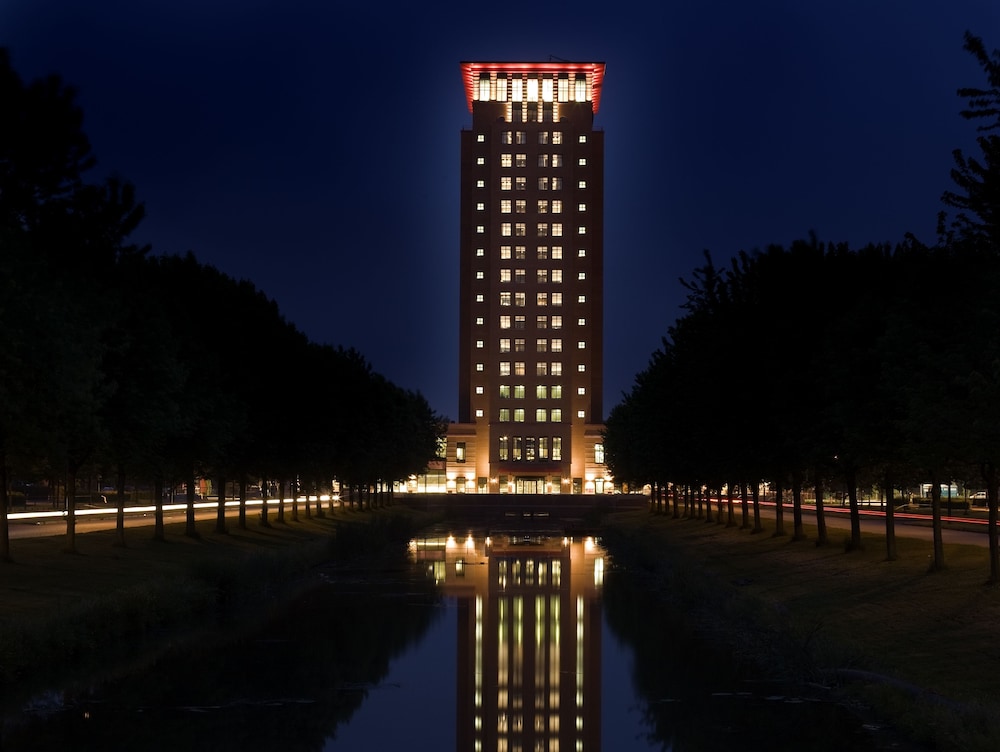
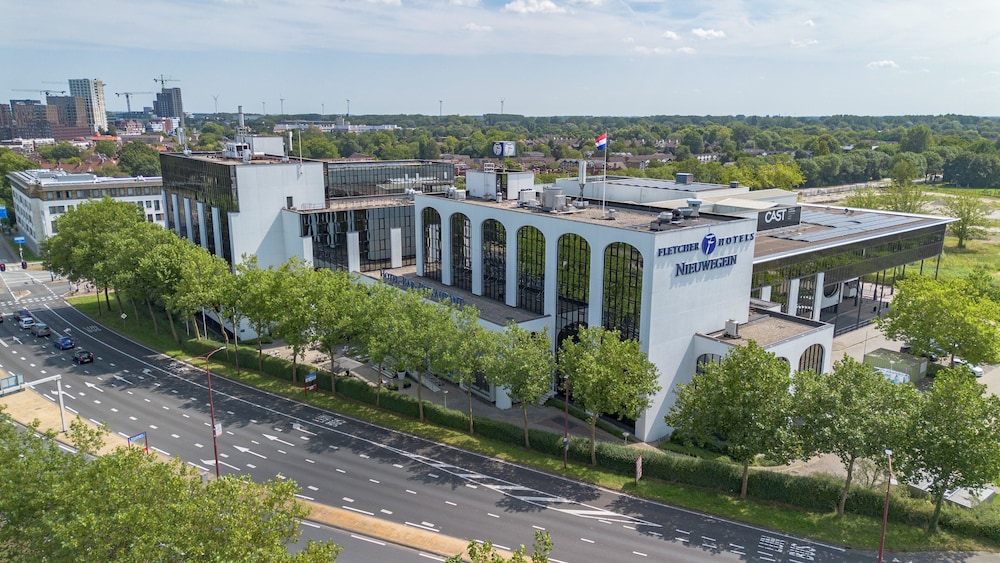
It offends the imagination, but the biggest carbon lever in your trip is arriving by train and never touching a car, and that points at the big hotels within 400 metres of Utrecht Centraal. Several hold Green Key certification, run on district heat, use key-card lighting and sensor ventilation, and sit on top of a station that connects Schiphol in roughly 35 minutes, Amsterdam in 27 and Brussels or Cologne on a single change. Rooms are €140-220, more during Jaarbeurs fairs.
The station roof itself carries a large solar array, and Stationsplein hides the world's biggest bicycle park — around 12,500 spaces, with the first 24 hours free. Book here and your daily emissions are essentially breakfast. Push the hotel on that breakfast: the good ones now do a majority-plant buffet with Dutch cheese, seasonal fruit and no individual jam pots. The ones still shipping in tropical fruit in February and cooking eggs to order for 300 people are not walking the walk, whatever the certificate says.
Canal-house guesthouses: small footprint, hard limits
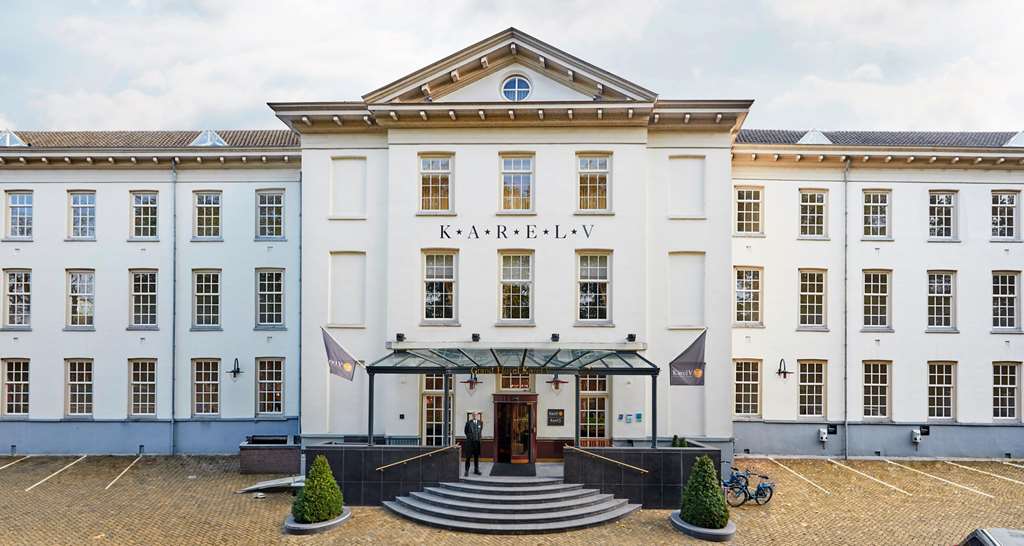
A ten-room guesthouse in a listed house on the Nieuwegracht has an intrinsically low footprint — no pool, no lift, no laundry the size of a factory, no air-conditioning — and the good ones buy Dutch organic breakfast produce from the Friday organic market on Vredenburg, five minutes away. Expect €150-230 a night. Owners also tend to know the repair-café-and-refill version of the city, which is more useful than a hotel concierge's list of chain shops.
The limits are structural and worth stating. Monument protection restricts external insulation, double glazing and solar panels, so a 1670s canal house leaks heat in January no matter how conscientious the host is. That makes these places a better sustainable choice in May, June and September than in midwinter, when the gas bill and your comfort both suffer. If you want a listed building and low energy use, look for one that has done internal insulation and secondary glazing, and ask outright.
Heuvelrug estate hotels: nature on the doorstep, watch the drive
The country hotels of Zeist, Driebergen, Doorn and Maarn sit inside or beside Nationaal Park Utrechtse Heuvelrug, and several hold Green Key gold, with biomass or heat-pump heating, on-site water treatment and kitchens sourcing from the fruit belt around Houten and the Kromme Rijn. Doubles run €130-200. Their real contribution is keeping estate woodland financially viable and putting guests on foot and on bikes for the whole stay.
The catch is arrival. Drive out and you have undone the accounting; take the train to Driebergen-Zeist or Maarn and a hotel shuttle or a bike, and you have not. Ask whether the hotel lends bikes — most do, often e-bikes at €15-25 a day — and whether it has EV chargers if you are driving anyway. Skip the ones that market themselves as wellness resorts with a 30-metre pool and a jacuzzi in every suite; that is a lot of heated water for a forest hotel.
Farm rooms and boerderijkamers around Bunnik, Houten and Woerden
The most literal version of the concept is a room on a working farm. In the Kromme Rijn villages — Bunnik, Werkhoven, Cothen — and out west toward Woerden and Oudewater, dairy and fruit farms let rooms at €90-140 with breakfast built from what is outside the window: raw-milk cheese, apples, plum jam, eggs from the yard. Some are certified organic; some run herb-rich meadows for meadow birds, which is why you hear godwits at 05:00.
It works best in April to September, on a bike, with a plan. Utrecht Centraal to Bunnik is 10 minutes by train, then a flat ride along the Kromme Rijn. Do not expect hotel service: check-in is when the milking is done, dinner may be a shared table at 18:30 or nothing at all, and a taxi at 23:00 is a fantasy. Do expect the single best breakfast of your trip and a genuine sense of where the province's food comes from.
Charging, cars and Utrecht's electric experiment
Utrecht has gone further than most cities on vehicle-to-grid charging, running a shared-car fleet and public chargers that can feed electricity back into the network when demand peaks. Practically, for a visitor: public charge points are dense across the city, most business hotels on Papendorp and the ring have chargers on site, and paying is by app or charge card at a per-kWh rate that is billed separately from any free parking. Confirm connector type and tariff when you book.
The bigger point is that you probably do not need the car. A zero-emission zone applies to delivery vans in the centre and keeps widening; private cars face one-way loops, bus gates and expensive garages. Combine a park-and-ride at Westraven, Papendorp or Utrecht Science Park with return public transport on one daily ticket, or skip driving entirely. If you want a car for a castle day, hire one for the day from the station rather than paying to store one all week.
How to spot greenwashing, and what I would book
Red flags: a sustainability page with no numbers, single-use plastic in the bathroom, a buffet with fifteen hot dishes for forty guests, towels changed daily anyway, and staff who cannot tell you the heating source. Green flags: a named certificate and tier, refill dispensers, food waste weighed and reported, a mostly seasonal and largely plant-based menu, bikes to borrow, and a bin with three compartments in the room rather than in the corridor.
My picks: for a city break, a Green Key station-district hotel at around €160, because zero transport plus district heating beats every rural gesture. For a slower trip, three nights on a Heuvelrug estate reached by train from Driebergen-Zeist, then two nights in a canal-house guesthouse in shoulder season. For May or September on a budget, a farm room near Bunnik at €110 with bikes. Skip the wellness resorts and skip any hotel whose green claim is a card by the sink.
Before you book
The questions people ask about Utrecht, answered with this month’s numbers.
Green Key is the Dutch national standard and the most widely held, in bronze, silver and gold tiers; EU Ecolabel is stricter and rarer. Both publish searchable lists of certified properties, so check the register directly and note the renewal date rather than trusting a logo on a booking page.
Very. Utrecht Centraal is the country's busiest station with direct trains from Schiphol in roughly 35 minutes, the city is 20 minutes wide by bike, and trams and buses cover the suburbs. Even the Heuvelrug villages and the castles are reachable by train plus a short cycle.
Start with the Friday organic market on Vredenburg and the delis on Twijnstraat, then look at the vegetarian-first kitchens around Voorstraat, Ledig Erf and the Lombok end of Kanaalstraat. Utrecht's student population supports a lot of plant-based cooking at €12-18 a main.
Barely. Certified station-district hotels sit in the same €140-220 band as their neighbours, and farm rooms at €90-140 undercut central hotels outright. The premium is in country estate hotels, and that reflects the setting and the kitchen more than the certificate.