Day trip to Amsterdam from Utrecht
Trains take 27 minutes and cost about €9.20 each way, with four to six departures an hour — here is how to use one day well, including which two museums to book and which streets to walk away from.
 Canal houses and bridges in central Amsterdam on a clear day
The train, the fares and the timing
Intercity trains leave Utrecht Centraal for Amsterdam Centraal four to six times an hour and take about 27 minutes; a single is roughly €9.20, so a return is around €18.40 with contactless check-in and check-out at the gates using OVpay or an OV-chipkaart. Off-peak group discounts and NS day-return deals appear seasonally and can cut that meaningfully if you travel after 09:00. Night trains run roughly hourly through the small hours, so a late concert or dinner does not force a hotel.
Avoid the 07:30 to 08:45 commuter crush in both directions if you can; trains are standing-room and there is no reserved seating. Not every service ends at Amsterdam Centraal — some stop at Amsterdam Zuid or Amsterdam Amstel, which are better for the Rijksmuseum and Vondelpark side of the city, so read the destination board. Bikes need a separate day ticket of around €7.50 and are barred at peak hours, which is another argument for using Amsterdam's trams instead.
Two museums, booked in advance
Pick two, no more. The Rijksmuseum on Museumstraat, around €23, holds Rembrandt's Night Watch, Vermeer's Milkmaid and 8,000 objects in a Cuypers building — allow three hours minimum and enter at opening or after 15:00. The Van Gogh Museum next door, roughly €24, is timed-entry only, sells out days ahead in summer and takes two hours. Anne Frank House on Prinsengracht, about €16, releases timed tickets online six weeks ahead and effectively cannot be visited without one.
If you hold a Museumkaart at roughly €75, both the Rijksmuseum and Van Gogh Museum are included, which alone recovers most of the card's cost on this one day; you still need to reserve a time slot. Smaller alternatives that never require a booking scramble include the Stedelijk for modern art, the Rembrandthuis on Jodenbreestraat, and the Scheepvaartmuseum. Whichever you choose, buy tickets before you board the train in Utrecht — deciding on the platform is how people end up paying for a canal cruise instead.
A walking route that avoids the worst crowds
From Amsterdam Centraal, resist Damrak. Turn west instead along Prins Hendrikkade and into the Haarlemmerstraat and Haarlemmerdijk, a genuinely functional shopping street, then drop south into the Jordaan: Bloemgracht, Egelantiersgracht and the Lindengracht are the quiet canals people picture when they imagine the city. Cross to the Nine Streets between Prinsengracht and Singel for small shops and cafés, then reach the Rijksmuseum via Spiegelgracht, whose antique dealers make the approach interesting rather than a slog.
That route is about 4 kilometres and takes 90 minutes with stops. Afterwards, Vondelpark is five minutes from the museums and free, with 47 hectares of lawn, ponds and a pavilion café. For water without a ticket, take the free NDSM or Buiksloterweg ferry from behind Centraal Station: five minutes across the IJ, no fare, and a completely different city on the north bank, with converted shipyards, street art and warehouse restaurants at NDSM.
Eating and drinking without the tourist tax
Prices in Amsterdam sit visibly above Utrecht's: a beer is €5.50 to €7.50, a coffee €3.50 to €4.50, a decent lunch plate €14 to €20 and a mid-range dinner €30 to €45 a head. Damrak, Leidseplein and Rembrandtplein are the three areas where you pay the most for the least; walk five minutes off them and quality doubles. Good hunting grounds are De Pijp around Albert Cuypstraat, the Jordaan side streets, and the Haarlemmerbuurt.
Concrete cheap options: herring or kibbeling from a fish stall for €4 to €8, a slice from the Albert Cuyp market stalls, Surinamese roti or broodje pom in De Pijp for €8 to €12, and Indonesian rijsttafel as the classic splurge at €35 to €50. Brown cafés — Café Chris, De Sluyswacht, Hoppe — charge normal prices for beer in rooms 300 years old. Tap water is free and safe; asking for it alongside a coffee is standard practice rather than a provocation.
What to skip, and the rules that catch visitors out
Skip the queue-based attractions that duplicate better versions elsewhere: waxworks and cheese museums on Dam Square, the Damrak souvenir strip, and any canal cruise touted on the street when a scheduled one costs €18 to €25 and a free ferry does the water for nothing. Skip the Red Light District walking tours; guided tours there are restricted and photography of workers is prohibited and enforced. And skip driving in — parking runs well over €7 an hour in the centre and the train is faster door to door.
Rules worth knowing: cycle lanes are for cycling, and standing in one to photograph a canal is the fastest way to be shouted at in two languages. Smoking cannabis in the street is tolerated but banned outright in parts of the centre, with fines around €100. Pickpocketing is concentrated on Centraal Station platforms, trams to Dam Square and the crush on Kalverstraat, so front pockets and zipped bags. Trams need a tap in and out; a single hop is about €3.40, a 24-hour GVB ticket around €9.
A workable one-day timetable
09:15 train from Utrecht Centraal, arriving 09:45. Walk the Haarlemmerdijk and Jordaan route until 11:15. Anne Frank House at 11:30 if you secured a slot, otherwise the Rembrandthuis. Lunch in the Jordaan for €14 to €20. Rijksmuseum from 14:00 to 17:00, then Vondelpark or the Stedelijk. Early drink in a brown café, dinner in De Pijp, and a 21:30 or 22:30 train home, on a wharf terrace in Utrecht before midnight if you want a nightcap.
A gentler alternative drops one museum and adds the north bank: ferry to NDSM at 14:00, coffee and street art among the shipyard cranes, ferry back at 16:30, then Nine Streets and dinner. Either version costs roughly €60 to €95 per person including the return train, one museum, lunch and dinner. And the underrated advantage of doing Amsterdam this way is the return journey: sleeping in Utrecht costs less, gets quieter after 23:00, and puts you 27 minutes from all of it.
Frequently asked questions
What people ask before they set off on this one.
About 27 minutes on an intercity, with four to six departures an hour from Utrecht Centraal. A single fare is roughly €9.20, and you tap in and out at the gates. Check the destination, because some services terminate at Amsterdam Zuid or Amstel rather than Centraal, which can actually be handy for the museum quarter.
Yes, if you limit yourself to two museums and one walking route. A realistic day covers the Jordaan and Nine Streets, the Rijksmuseum, one smaller museum or the Anne Frank House, Vondelpark and a free ferry across the IJ. Trying to add the Van Gogh Museum and a canal cruise on top turns the day into queuing.
For the big three, yes. Anne Frank House is timed-entry only and releases tickets roughly six weeks ahead, the Van Gogh Museum sells out days ahead in summer, and the Rijksmuseum wants a time slot even for Museumkaart holders. Smaller museums like the Rembrandthuis and Scheepvaartmuseum usually admit walk-ins.
Usually. Comparable hotel rooms in Utrecht often run 25 to 40 percent less, and the return train is only about €18.40, so a stay of three nights or more can save real money. Food and drink are also cheaper in Utrecht. The trade-off is roughly an hour of travel on each Amsterdam day.
Regular intercity services run until around 00:30, and night trains continue roughly hourly through the small hours, so you are not stranded after a late concert. Check the exact times on the day, since engineering works most often affect weekend nights. Fares are the same as daytime with contactless check-in and check-out.
Damrak's souvenir strip, waxworks and novelty museums on Dam Square, street-touted canal cruises, and guided tours of the Red Light District, where tours are restricted and photographing workers is prohibited. Also avoid standing in cycle lanes and driving in, since central parking exceeds €7 an hour and the train is faster.
Hotels in Utrecht
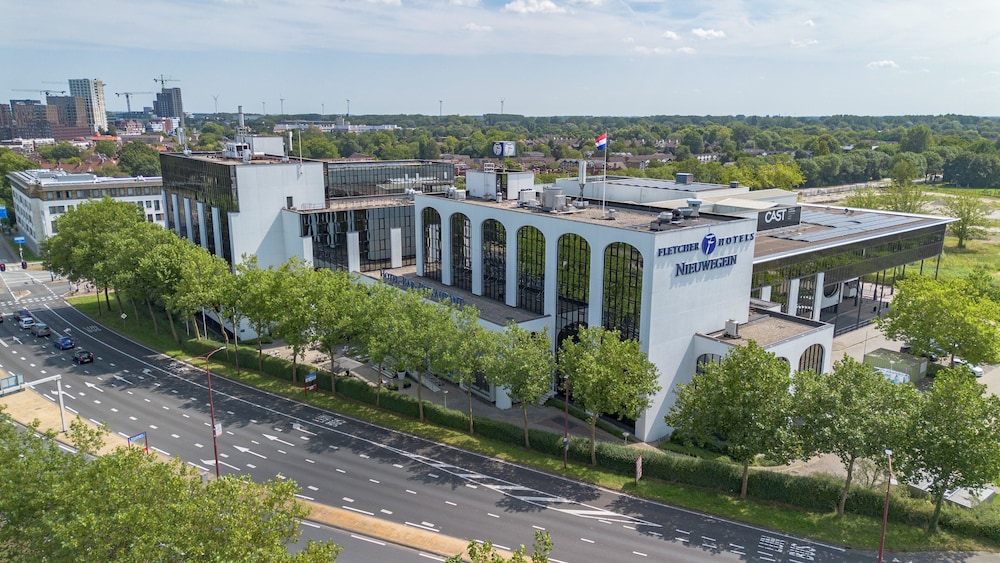
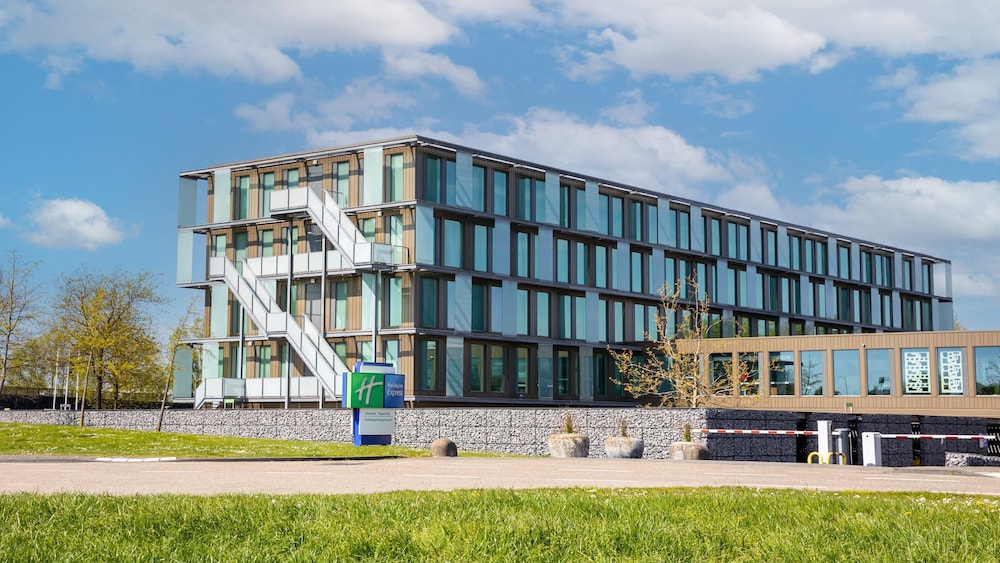
Hotels we cover across Utrecht
- Van der Valk Hotel Veenendaal 4★ · 4.5/5
- Badhu 3★ · 4.5/5
- Boutique Hotel ZIES 3★ · 4.5/5
- Brass Hotel 3★ · 4.5/5
- Duynparc Soest 3★ · 4.5/5
- Montfoort 3★ · 4.5/5
- The Great Barn 3★ · 4.5/5
- The Hunfeld 3★ · 4.5/5
- Vakantiepark De Tabaksschuur 2 3★ · 4.5/5
- Hotel Pension Randenbroek 2★ · 4.5/5
- Long John s Hotel 2★ · 4.5/5
- Grandcafe Boutique Hotel Eemland 4★ · 4.4/5
- Hotel Ernst Sillem Hoeve 4★ · 4.4/5
- Inntel Hotels Utrecht Centre 4★ · 4.4/5
- Van der Valk Hotel Utrecht 4★ · 4.4/5
- Abbey Abcoude 3★ · 4.4/5
- Boutique Hotel Museumkwartier 3★ · 4.4/5
- Bunk Hotel Utrecht 3★ · 4.4/5
- Designhotel Napoleonschuur 3★ · 4.4/5
- Hotel Restaurant Abrona 3★ · 4.4/5
- Hotel Restaurant Koekenbier Abcoude 3★ · 4.4/5
- Landgoed Isvw 3★ · 4.4/5
- Leerhotel Het Klooster 3★ · 4.4/5
- Mary K Hotel 3★ · 4.4/5
More guides to Utrecht
All guides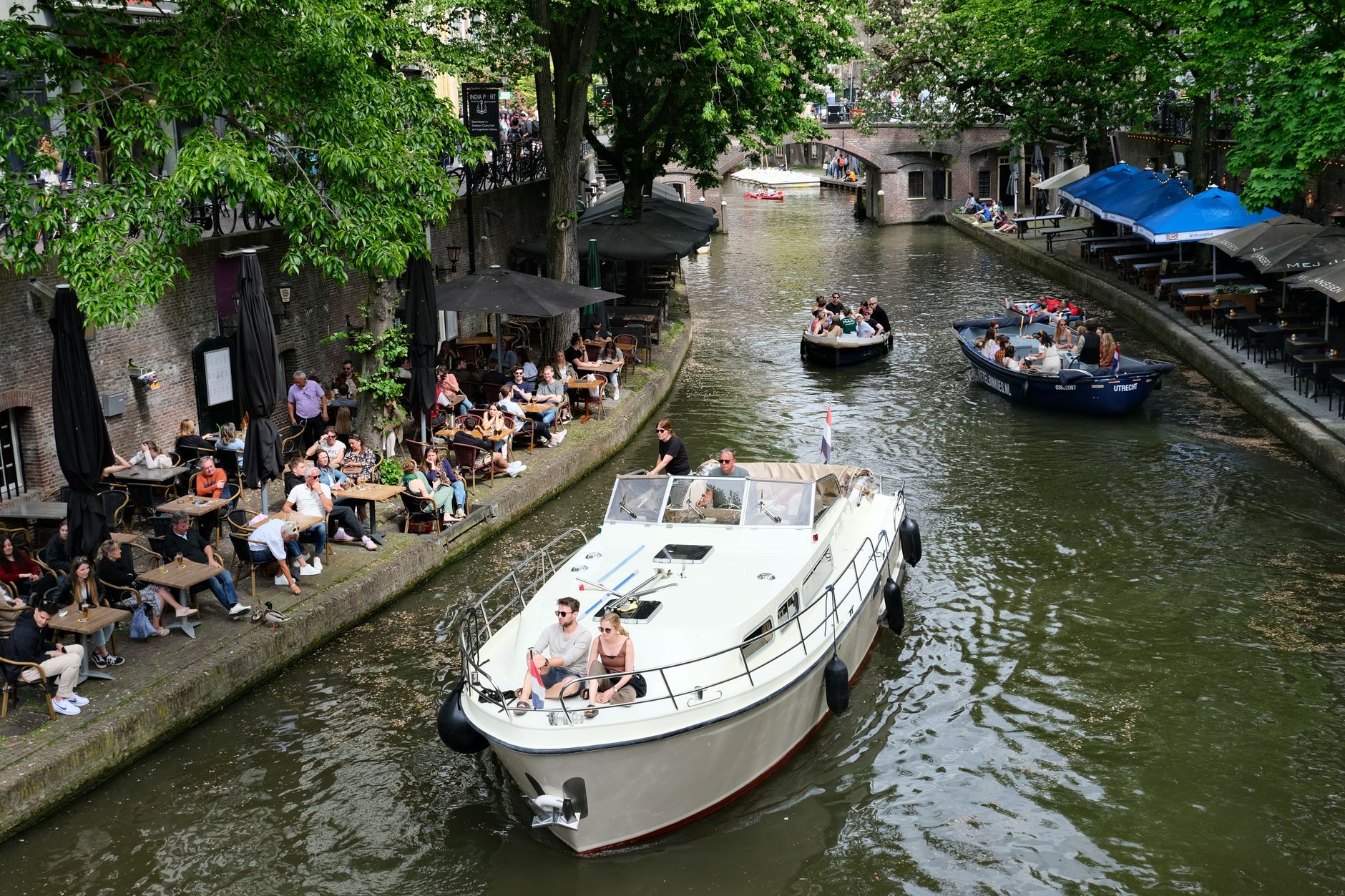 Itineraries · 9 min read
48 hours in Utrecht
Itineraries · 9 min read
48 hours in Utrecht
Two days is enough to climb the 112-metre Domtoren, eat on a wharf cellar terrace and cycle out to a river estate — this plan covers all three, with about 20 kilometres of easy cycling built in.
 Itineraries · 10 min read
One week in Utrecht
Itineraries · 10 min read
One week in Utrecht
Seven days lets you treat Utrecht as a base rather than a stop: three days in the city, four out on the Heuvelrug ridge, the Vecht lakes and the castle belt, with roughly 120 kilometres of cycling if you want it.
 Itineraries · 9 min read
Utrecht in 3 days on a budget
Itineraries · 9 min read
Utrecht in 3 days on a budget
A three-day plan that lands around €50 to €70 a day including a hostel bed, built on free parks, forts and church towers, a €4.55 station bike and market food instead of restaurants.
Same rooms, same prices you would pay anywhere else, with one verified tonne of carbon removal funded by every booking you make here.