Money, tipping, and prices in Utrecht
The Netherlands is a card country: many Utrecht cafés take no cash at all, and a coffee is €3.20 while a dinner main is €19 to €27. Here are 7 sections of real numbers and the tipping rules locals actually follow.
 Card payment terminal on a café counter with a coffee in Utrecht
Cards, cash and the pin-only reality
Utrecht runs on debit cards and contactless. Tap your bank card or phone for everything from a €2.50 stroopwafel to a hotel bill, and expect signs reading pinnen only or geen contant geld at bakeries, museum desks and market stalls. Cash is accepted less each year and some venues refuse it outright. Carry €30 to €50 in notes as backup for small market traders, a tip jar, or the odd bike-repair shop, and no more, because you will struggle to spend it.
The important nuance is credit cards. Dutch systems were built around Maestro and V Pay debit, so Visa and Mastercard credit are widely but not universally accepted, and some small restaurants and food stalls still decline Amex or add a surcharge of 2 to 3 percent. Supermarkets take contactless credit these days. Always carry a debit card if you can. ATMs are the yellow Geldmaat machines, found at Vredenburg, Neude, the station and Amsterdamsestraatweg; they charge no fee themselves, but your bank may.
What things actually cost
Drinks: filter coffee €3, cappuccino €3.80, a vaasje of draught lager, the standard 250 millilitre glass, €3.50 to €4.50, a local craft beer from De Leckere or Oproer €5.50 to €6.50, a glass of house wine €5 to €6.50, a jenever €4. Food: bakery sandwich €5 to €7, market herring roll €4, a cone of hand-cut fries with mayonnaise €4 to €5, six bitterballen €7 to €9, a lunch dish €10 to €14, a dinner main €19 to €27, a three-course set menu €38 to €50.
Sightseeing and transport: museum entry €14 to €19.50, the Dom Tower guided climb in the mid teens, a canal cruise about €16, a bike for the day €12 to €15 or €4.55 with OV-fiets, a U-OV day ticket around €8, a train to Amsterdam €9.30. Beds: hostel dorm €28 to €40, mid-range double €110 to €150 midweek. A frugal but pleasant day, staying in a hostel, self-catering lunch and one restaurant dinner, lands near €70 to €85 per person; a comfortable one is €150 to €200.
Tipping: the rules that apply here
Service is included by law in the listed price and Dutch staff are paid a proper wage, so tipping is appreciation, not subsidy. In a café or bar, round up: a €18.40 bill becomes €19 or €20. In a restaurant where you enjoyed the meal, 5 to 10 percent is generous and normal; 10 percent is the top of the range, and nobody will chase you for leaving nothing. Leave it by telling the card terminal a total, since cash on the table is now uncommon and sometimes goes uncollected.
Elsewhere: taxi drivers get the fare rounded up, hotel housekeeping €1 to €2 a night if you wish, tour guides on a free walking tour €5 to €10 per person, hairdressers and bike mechanics nothing. There is no tipping at counters, market stalls or snackbars, and no tipping culture around delivery apps beyond a euro or two. Ignore any pressure to tip at American levels; 20 percent is not the norm and will simply read as a very large gift.
Tourist tax, VAT and hotel extras
Utrecht levies a tourist tax of roughly 7 percent of the room rate, charged per night. It is often excluded from the price shown on booking sites and added at check-in or checkout, so factor it in when comparing €130 rooms. VAT is 21 percent on most goods and 9 percent on food, books, museum entry and public transport; it is always included in displayed prices, so what you see is what you pay. Non-EU residents can reclaim VAT on purchases above a threshold via participating shops, with the paperwork validated at the airport.
Hotel extras to watch: breakfast at €15 to €22 per person, which is poor value beside a €7 bakery breakfast; parking at €18 to €25 a night in the centre; and city-centre properties charging for bike storage, though most include it. Mini-bars and in-room water are marked up steeply, but Dutch tap water is excellent and free, and restaurants will serve it, occasionally with a €0.50 to €1 charge for a carafe. Bring a refillable bottle; there are public drinking fountains in the parks.
Passes, discounts and when they pay off
The Museumkaart costs about €75 a year plus a small admin fee and gives free entry to more than 400 Dutch museums, including Centraal Museum, Museum Speelklok, Museum Catharijneconvent and the Railway Museum. With Utrecht entries at €14 to €19.50, it breaks even at four to five visits, so it is worth it for a week-long trip with museum-heavy days or if you will also visit Amsterdam or Rotterdam. Buy it at a participating museum desk; visitors without a Dutch address can use it for a limited number of visits, so check current terms.
Other savings: many museums are free with a Museumkaart but also discount students and under-18s heavily, and children under 4 or 6 are usually free. Transport-wise, the U-OV day ticket at around €8 and the €5 P plus R deal are the two that matter. Free experiences do real work here: the Dom Church interior, the Pandhof cloister garden, Flora’s Hof, the Rietveld Schröder House exterior, Amelisweerd woods, and lunchtime concerts at TivoliVredenburg and in the churches.
Groceries, deposits and eating well for less
Supermarkets are Albert Heijn, Jumbo and Lidl, open roughly 08:00 to 22:00 including Sundays, with branches at the station, on Vredenburg and Amsterdamsestraatweg. A picnic of bread, cheese, tomatoes, fruit and a bottle of water costs €8 to €12 for two. For the sustainability-minded, Ekoplaza and the organic shops around Twijnstraat sell Dutch organic produce, and the Friday organic market on Vredenburg is cheaper than either for vegetables, cheese and bread.
Two Dutch systems save money and waste. First, deposits: €0.15 on cans and small plastic bottles and €0.25 on large ones, refunded at supermarket return machines, so keep your empties. Second, the Too Good To Go app, widely used by Utrecht bakeries, delis and restaurants, sells surplus food bags for €4 to €6 in the final hour of trading. Add student canteens at Utrecht Science Park with mains around €6 to €8 on weekdays, and the ACU collective on Voorstraat, where a vegan dinner runs about €7.
Budgeting a trip: three realistic daily totals
Lean, around €70 to €85 per person per day: hostel dorm €32, breakfast from a bakery €5, supermarket or market lunch €6, one restaurant or vegan-canteen dinner €14, a beer €4, bike hire €4.55 with OV-fiets, one museum €16. That leaves change for a train to Driebergen-Zeist at about €3.40 each way and a full afternoon walking in the national park, which costs nothing at all.
Comfortable, €150 to €200 a day: three-star double at €130 for two, lunch out €13, dinner main plus wine €33, two coffees €7, two museums €33, one canal cruise €16. Indulgent, €300 upward: a canal-house or castle-hotel room at €200 to €250, a tasting menu with wine at €80 to €110, a private electric sloop for two hours at €80. Across all three, the biggest single lever is the room, and the cheapest upgrade to your day is a bicycle.
Frequently asked questions
What people ask before they set off on this one.
Barely. Debit cards and contactless phone payments work almost everywhere, and many cafés, bakeries and museums are card-only and display pinnen only signs. Carry €30 to €50 in notes for small market traders, tip jars and the occasional cash-only stall. Withdraw from the yellow Geldmaat ATMs at Vredenburg, Neude or the station, which do not charge a fee themselves.
Usually, but not universally. Dutch payment systems grew up around debit cards, so some small restaurants, snackbars and market stalls accept only Dutch debit or add a 2 to 3 percent surcharge for credit, and Amex is patchier still. Supermarkets, hotels and larger restaurants take Visa and Mastercard contactless without fuss. Travelling with a debit card as well as a credit card removes the problem entirely.
Round up in bars and cafés, and leave 5 to 10 percent in a restaurant if you enjoyed the meal. Service is already included in the listed price and staff earn a full wage, so nothing is expected and no one will react badly to a bill paid exactly. Tell the card terminal the total you want to pay rather than leaving coins, which are increasingly not collected.
Hotels are notably cheaper, often 20 to 30 percent less for an equivalent room, and restaurants run slightly lower too. Museum entry is similar at €14 to €19.50, and transport is the same national system. Where Utrecht really saves you money is in not needing taxis or tours: the centre is walkable, bikes cost €4.55 to €15 a day, and the best nature days out cost only a €3 to €6 train fare.
The city charges a tourist tax of about 7 percent of the room rate per night. Booking sites often exclude it from the headline price, so it appears at check-in or checkout and adds roughly €9 to a €130 room. Campsites and some other accommodation types are charged differently. Always read the taxes and fees line before comparing two rates.
It pays for itself from about four or five museum visits, since single entry in Utrecht is €14 to €19.50 and the card costs around €75 plus a small fee. For a two-day trip with one or two museums, buy single tickets. For a week that also includes Amsterdam or Rotterdam, it is a clear win, and it lets you drop into Museum Speelklok or Centraal Museum for 40 minutes without feeling you wasted a ticket.
Hotels in Utrecht
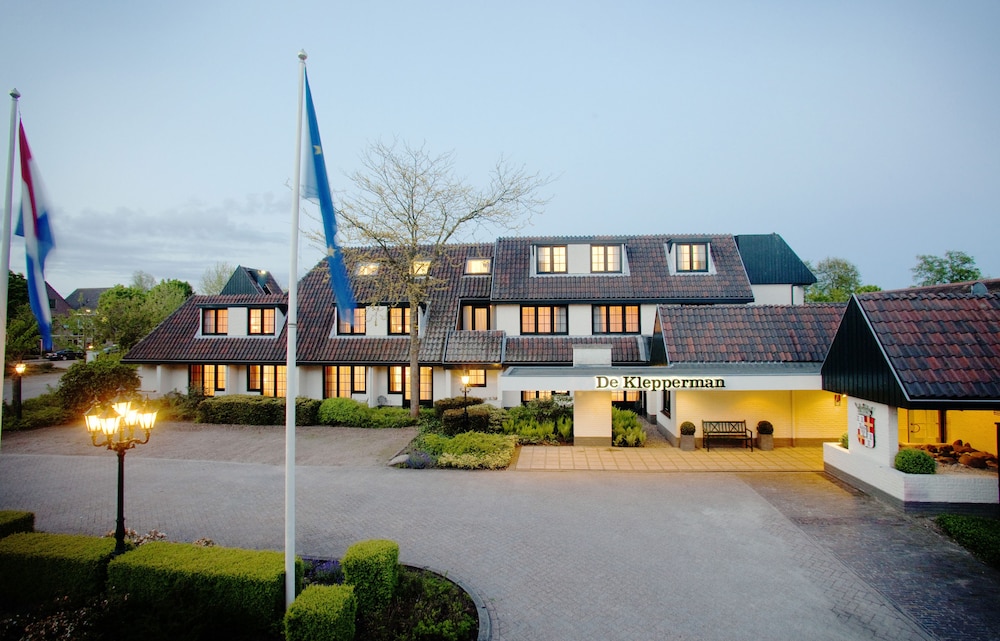
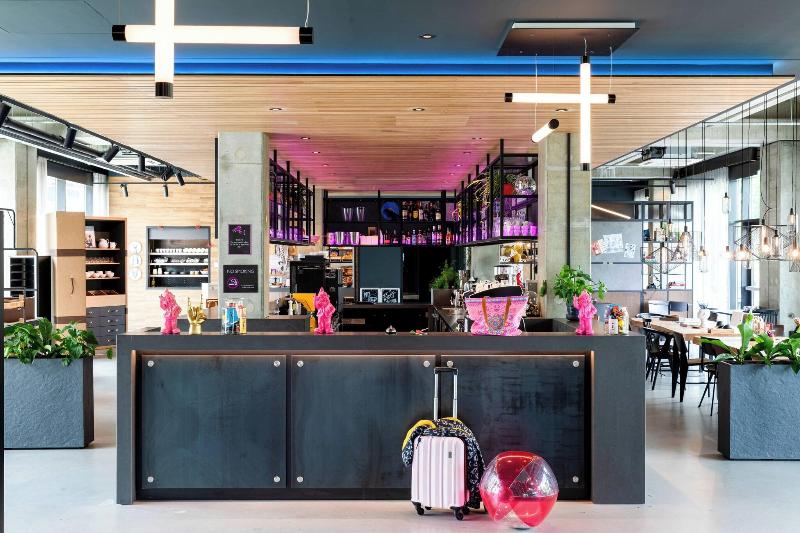
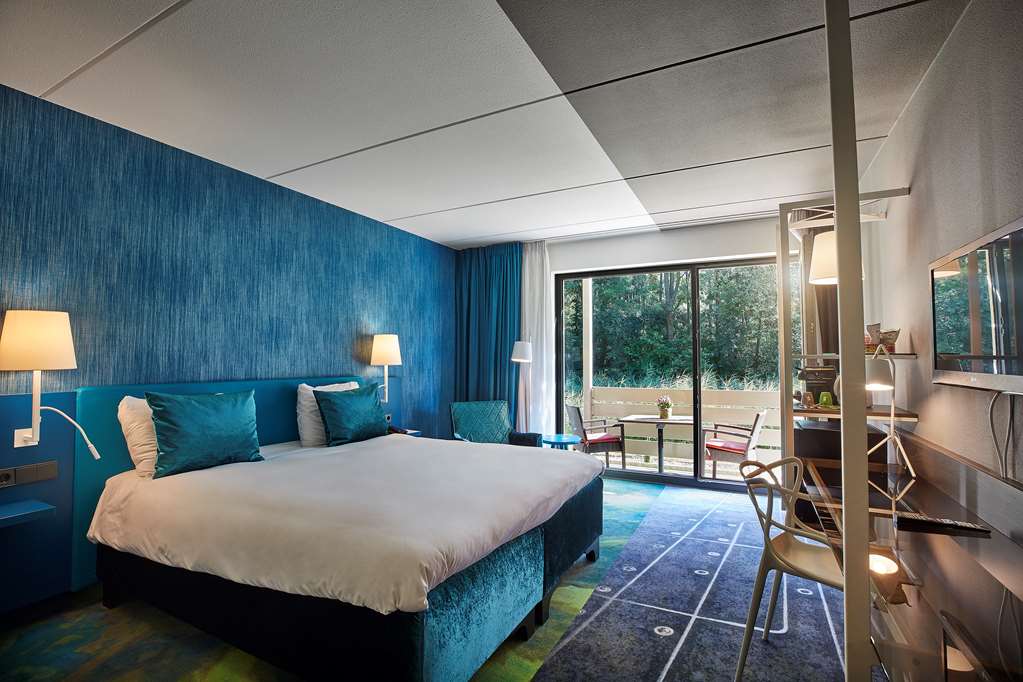
Hotels we cover across Utrecht
- Studio Vúr de Diek 4★
- StudioRandijk 4★
- Suites aan de Gracht Utrecht 4★
- The Meetinn 4★
- The Old Farmhouse with terrace in Montfoort 4★
- The Pool House 4★
- Triphousing Red 4★
- Vakantiehuis aan het water 4★
- Villa Oldenhoff 4★
- Vinkestek Verhuur 4★
- Water Villa Minaro Vinkeveen 4★
- Waterlinie Lodges 4★
- Watervilla van Francke by Droomvilla 4★
- Wellness Apartment on the Wharf Utrecht 4★
- Windmill Apartment 4★
- Zocher6 a monumental town house in the city center 4★
- 'Room Eleven' aan de Vecht 3★
- @TheLodge 3★
- 2 Bedroom Lovely Home In Breukelen 3★
- Amaryllis 3★
- Amersfoort City Center Apartment StadsHart 3★
- Apartment in Wageningen Near Rhine River 3★
- Apud nos Domi 3★
- Attractive Chalet with Microwave near Forest 3★
More guides to Utrecht
All guides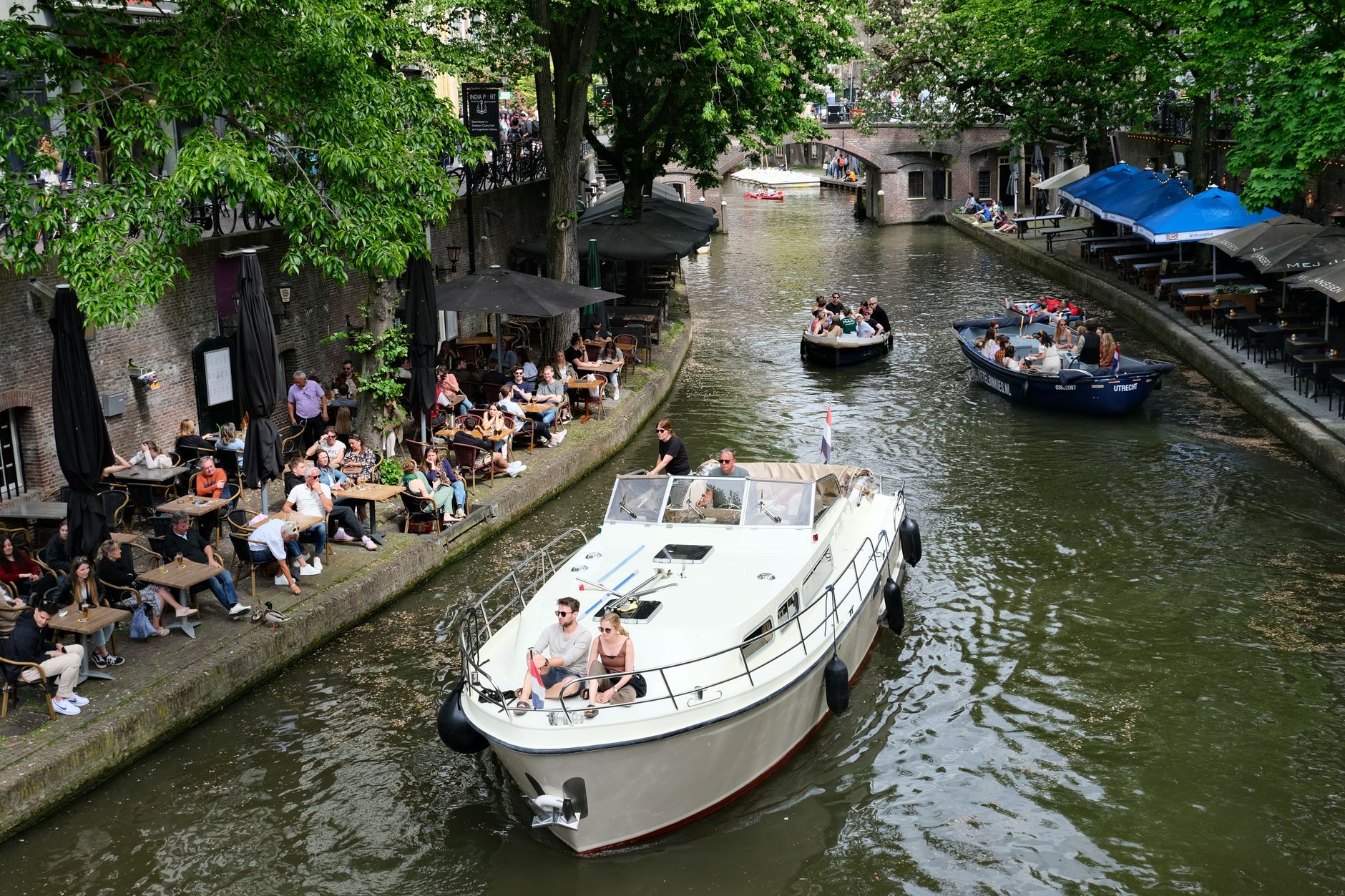 Itineraries · 9 min read
48 hours in Utrecht
Itineraries · 9 min read
48 hours in Utrecht
Two days is enough to climb the 112-metre Domtoren, eat on a wharf cellar terrace and cycle out to a river estate — this plan covers all three, with about 20 kilometres of easy cycling built in.
 Itineraries · 10 min read
One week in Utrecht
Itineraries · 10 min read
One week in Utrecht
Seven days lets you treat Utrecht as a base rather than a stop: three days in the city, four out on the Heuvelrug ridge, the Vecht lakes and the castle belt, with roughly 120 kilometres of cycling if you want it.
 Itineraries · 9 min read
Utrecht in 3 days on a budget
Itineraries · 9 min read
Utrecht in 3 days on a budget
A three-day plan that lands around €50 to €70 a day including a hostel bed, built on free parks, forts and church towers, a €4.55 station bike and market food instead of restaurants.
Same rooms, same prices you would pay anywhere else, with one verified tonne of carbon removal funded by every booking you make here.