Safety and street smarts in Utrecht
Utrecht is one of the safer cities in Europe, and the two things most likely to spoil your trip are a bicycle collision and a stolen bike. Here are 7 practical sections, plus the 3 phone numbers to save.
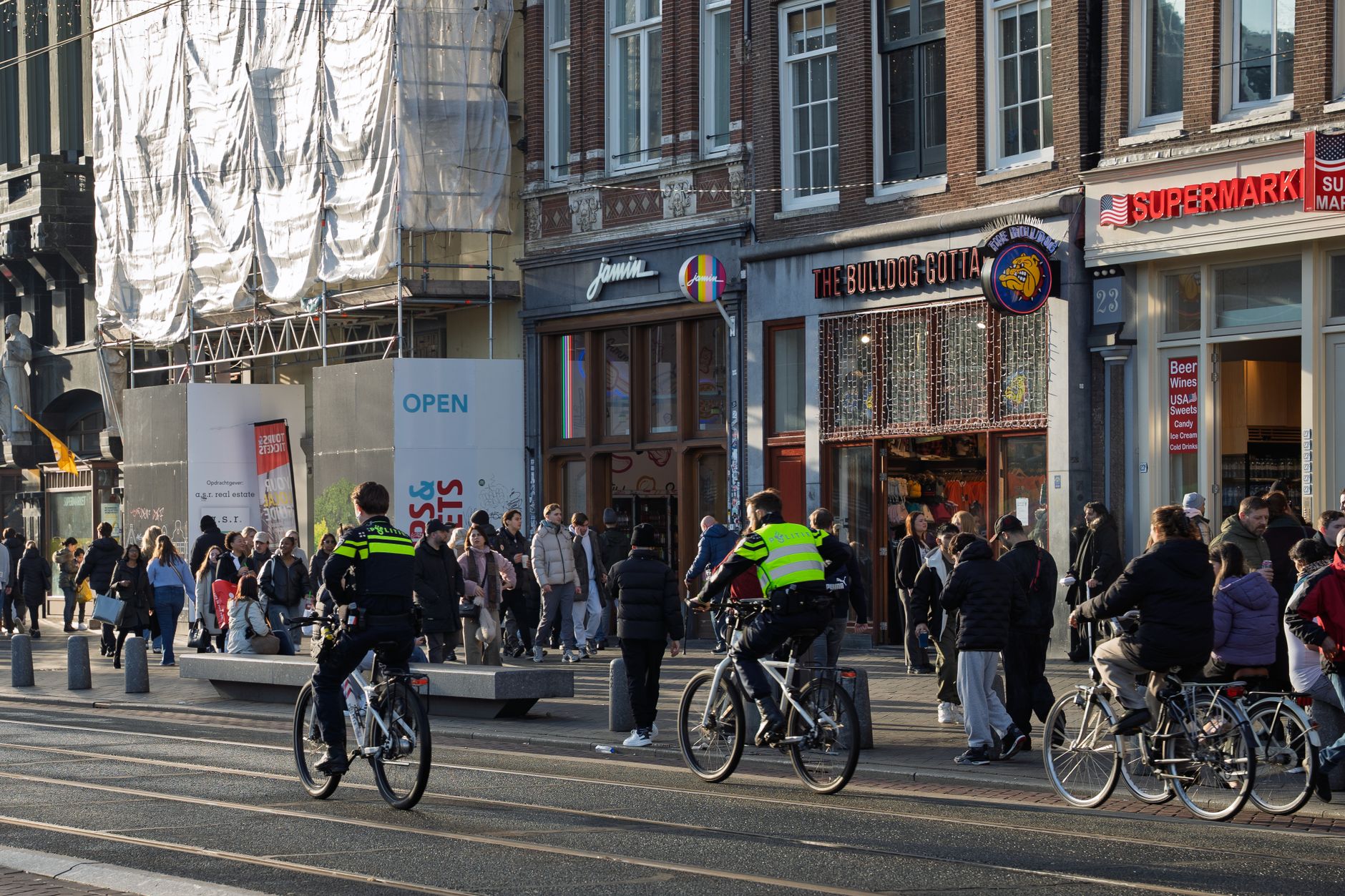 Red cycle lane and pedestrian crossing on a busy Utrecht street at dusk
The overall picture
Violent crime against visitors is rare, the police are approachable and English is spoken almost universally. You can walk the Oudegracht, Neude and Janskerkhof at midnight without much thought, and women travelling alone generally report Utrecht as comfortable. The dominant offences are property crimes: bicycle theft on a large scale, opportunistic pickpocketing in crowded transport hubs, and the occasional bag lifted from the back of a chair on a busy terrace. Treat those three risks seriously and your practical safety problem is essentially solved.
The genuine physical hazards here are unglamorous. Cycle lanes carry fast-moving bikes, e-bikes and scooters, and pedestrians who wander into them are the most common cause of tourist injury. Canal wharves have unfenced edges two metres above cold water. Cobbles and wet leaves are slippery in autumn. None of this requires anxiety, only attention. Emergency services are excellent and the standard number is 112; the non-urgent police line is 0900 8844, and the pan-European medical advice route runs through the out-of-hours GP posts described below.
Cycle lanes: the number one risk
Red asphalt means bicycle roadway. Do not stand, walk or photograph on it, do not step onto it while looking at your phone, and never assume a gap is empty, because e-bikes travel at 25 kilometres an hour and light mopeds share some lanes. When crossing, look left, right and left again, and remember that cyclists rarely stop for pedestrians outside marked crossings. At junctions, watch for right-turning bikes that have their own light phase. The busiest conflict points are Vredenburg, the Lange Viestraat crossing, Neude and the ramps around Utrecht Centraal.
If you cycle, ride predictably and to the right, signal turns with an outstretched arm, and stay off the pavement. Lights front and rear are compulsory after dark, fined at around €65, and using a handheld phone while cycling costs €160. Do not ride two abreast on narrow bridges, do not carry a passenger on the rack unless the bike has footrests, and give trams absolute priority. Drinking and cycling is an offence, and while enforcement is light, the canal wharves have no railings, which is a much more compelling argument.
Bicycle theft: expect it, prevent it
Thousands of bikes disappear in Utrecht every year and rental bikes are targeted because they are visibly hire machines. Use two locks: the built-in ring lock plus a heavy chain or U-lock securing the frame and front wheel to a fixed object. Park inside the Stationsplein garage under the station, free for the first 24 hours with 12,500 spaces, or use one of the guarded garages at Vredenburg and the Neude area, which cost little or nothing. Never leave a bike overnight on a street rack near the station.
Two further rules. First, if you rent, photograph the frame number and keep the rental agreement, because you will need both to report a theft and may owe an excess of €50 to €150. Second, do not buy a suspiciously cheap bike from someone on the street; handling stolen goods is a criminal offence and the bike will likely be recovered anyway. If your legally parked bike vanishes, check the city bicycle depot before assuming theft, as bikes locked to railings or outside marked zones are removed and cost about €25 to reclaim.
Pickpockets, bags and crowded places
The pattern is standard European: Hoog Catharijne and the station concourse, packed trams towards Utrecht Science Park, festival crowds on King’s Day and Liberation Day, and busy terrace hours on the Oudegracht. Wear a bag across your body with the zip forward, keep your phone out of a back pocket, and never hang a bag on the back of a chair or leave it on the ground on a terrace, which is how most tourist thefts here actually happen. Cafés fill up quickly and a distracted table is an easy target.
Practical backups: keep one card and a copy of your passport separate from your wallet, enable device tracking on your phone, and note that hotel safes are common in mid-range properties. Card fraud at ATMs is uncommon because Geldmaat machines are indoors or in busy locations, but shield your PIN anyway. Report a theft at a police station or online for the insurance report you will need; the non-urgent number 0900 8844 will direct you. Losses in the station area can also be checked at the NS lost property service.
Nightlife, canals and the substances question
Utrecht nightlife concentrates on Nobelstraat and Janskerkhof, Neude, and the wharf cellars of the Oudegracht, and it is student-heavy rather than aggressive. Trouble is mostly noise and drunk crowds at closing, roughly 03:00 to 04:00 on weekends, with occasional friction on Amsterdamsestraatweg late at night. Bouncers are strict on ID; carry it. The real danger after drinking is the water: the canals are around two metres deep, cold year-round, the wharves have no railings and exit ladders are sparse. Do not walk the lower level drunk.
On drugs, know the law rather than the folklore. Cannabis is sold in licensed coffeeshops to over-18s with ID, up to 5 grams, and consumption is tolerated inside those premises, not on the street; edibles are far stronger than visitors expect. Everything else is illegal, and recreational nitrous oxide has been banned nationally since January 2023. Drink spiking is uncommon but watch your glass. Water taps in bars are free, and taxis or a night bus beat a canal-side walk at 04:00 in every conceivable way.
Nature safety on the Heuvelrug and the lakes
The province is gentle terrain with two specific hazards. Ticks are present in the woods and heath of Nationaal Park Utrechtse Heuvelrug and in estates like Amelisweerd from spring to autumn, and Lyme disease is a real risk; wear long trousers on overgrown paths, check your body and hairline after every walk, and remove any tick promptly with a tick tool. Second, swimming water. The Loosdrechtse Plassen and Maarsseveense Plassen are monitored, and blue-green algae warnings are posted in hot weather at the beaches and on the official swimming-water site.
Other sensible habits: the national park has no dangerous animals but does have wild boar in places and fenced grazing areas, so keep dogs leashed and do not feed anything. Cycling routes are well signposted with numbered junctions, but phone signal can dip in the forest, so download the map. On the lakes, boat traffic is heavy in summer and open water is colder than it looks; wear a life jacket in a rented sloop or canoe with children. Fire risk on dry heath is taken seriously, so no barbecues outside designated spots.
Health, emergencies and the numbers to save
Save three numbers: 112 for all emergencies, 0900 8844 for non-urgent police, and the number of the out-of-hours GP post, which in Utrecht is the Primair Huisartsenposten service, for evenings and weekends when a family doctor is closed. Hospitals with emergency departments include UMC Utrecht on Heidelberglaan at the Science Park and Diakonessenhuis on Bosboomstraat near the eastern centre. Pharmacies, marked apotheek, keep normal shop hours, with a duty pharmacy handling nights; any pharmacy door lists the current one.
EU and UK visitors should carry an EHIC or GHIC card, everyone else needs travel insurance, because a GP consultation runs roughly €40 upward and an emergency visit far more. Pharmacies sell only limited medicines over the counter, so bring your own painkillers and any prescriptions with documentation. Tap water is safe and excellent everywhere, food hygiene standards are high, and no vaccinations are required. Public toilets are scarce in the centre; cafés expect you to buy something, and the station and Hoog Catharijne have paid facilities for around €0.70.
Frequently asked questions
What people ask before they set off on this one.
Yes, it is one of the safer mid-sized cities in Europe, with rare violent crime and a walkable, well-lit centre. The realistic risks are bicycle theft, opportunistic pickpocketing at Hoog Catharijne and on crowded trams, and being clipped in a cycle lane. Keep your bag zipped and across your body, use two bike locks, and stay off the red asphalt, and you have covered almost everything.
Generally yes. The canal area, Neude and the Museumkwartier are busy and comfortable into the early hours, and solo women commonly report feeling fine. Use ordinary caution around closing time on Nobelstraat and late at night on Amsterdamsestraatweg, and be very careful on the lower canal wharves after drinking, since they are unfenced above two metres of cold water with few exit ladders.
Treat red asphalt as a road, not a pavement. Never stop, stand or photograph on it, look both ways before crossing even at a green pedestrian light, and check over your shoulder before stepping out of a shop doorway. Cyclists, e-bikes at 25 kilometres an hour and light mopeds all share these lanes and rarely slow down. The worst pinch points are Vredenburg, Lange Viestraat, Neude and the station ramps.
First check the city bicycle depot, because bikes locked to railings or parked outside marked zones are removed and cost about €25 to reclaim. If it really was stolen, report it to the police, online or in person, using the frame number you photographed at pickup, and notify the rental company, where the excess is typically €50 to €150. Prevention beats all of this: two locks and the free Stationsplein garage.
Dial 112 for police, fire and ambulance, free from any phone and answered in English. For non-urgent police matters use 0900 8844. Outside surgery hours, contact the local out-of-hours GP post rather than going straight to a hospital; in Utrecht that is the Primair Huisartsenposten service. Emergency departments include UMC Utrecht on Heidelberglaan and Diakonessenhuis on Bosboomstraat.
Yes, take it seriously without letting it stop you. Ticks are common in the woods and heathland of the national park and in city estates like Amelisweerd from spring through autumn, and they can transmit Lyme disease. Wear long trousers on narrow overgrown paths, stay on wider tracks where possible, check your skin and hairline within a few hours, and carry a tick remover. Remove any tick promptly and watch the site for a spreading rash.
Hotels in Utrecht
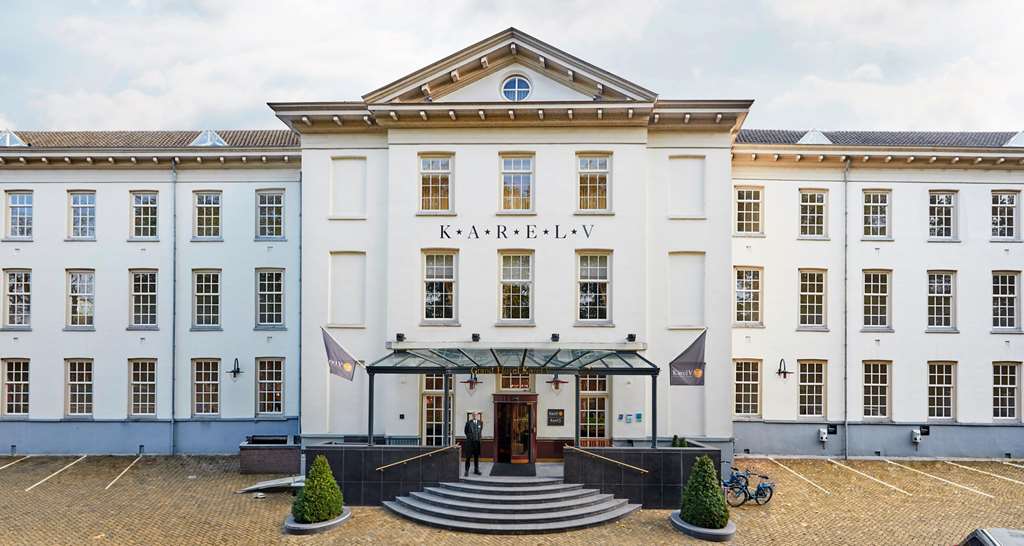

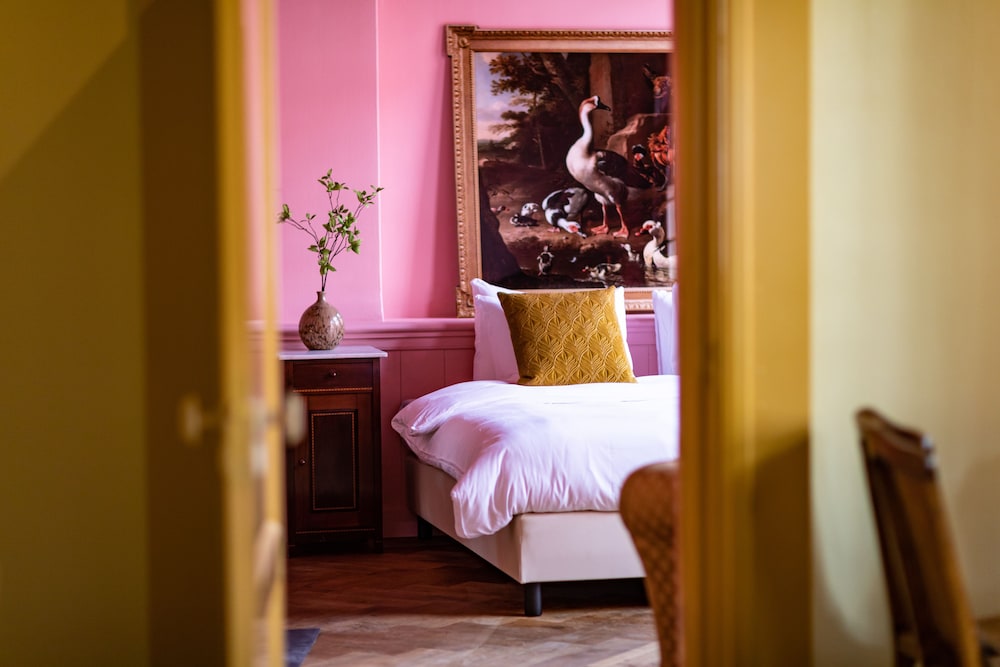
Hotels we cover across Utrecht
- Mother Goose Hotel 3★ · 4.6/5
- Grand Hotel Karel V 5★ · 4.5/5
- Cozy Pillow 4★ · 4.5/5
- Eye Hotel 4★ · 4.5/5
- Hotel Beijers 4★ · 4.5/5
- Hotel Flora Batava 4★ · 4.5/5
- Kasteel De Hooge Vuursche 4★ · 4.5/5
- Van der Valk Hotel Veenendaal 4★ · 4.5/5
- Badhu 3★ · 4.5/5
- Boutique Hotel ZIES 3★ · 4.5/5
- Brass Hotel 3★ · 4.5/5
- Duynparc Soest 3★ · 4.5/5
- Montfoort 3★ · 4.5/5
- The Great Barn 3★ · 4.5/5
- The Hunfeld 3★ · 4.5/5
- Vakantiepark De Tabaksschuur 2 3★ · 4.5/5
- Hotel Pension Randenbroek 2★ · 4.5/5
- Long John s Hotel 2★ · 4.5/5
- Grandcafe Boutique Hotel Eemland 4★ · 4.4/5
- Hotel Ernst Sillem Hoeve 4★ · 4.4/5
- Inntel Hotels Utrecht Centre 4★ · 4.4/5
- Van der Valk Hotel Utrecht 4★ · 4.4/5
- Abbey Abcoude 3★ · 4.4/5
- Boutique Hotel Museumkwartier 3★ · 4.4/5
More guides to Utrecht
All guides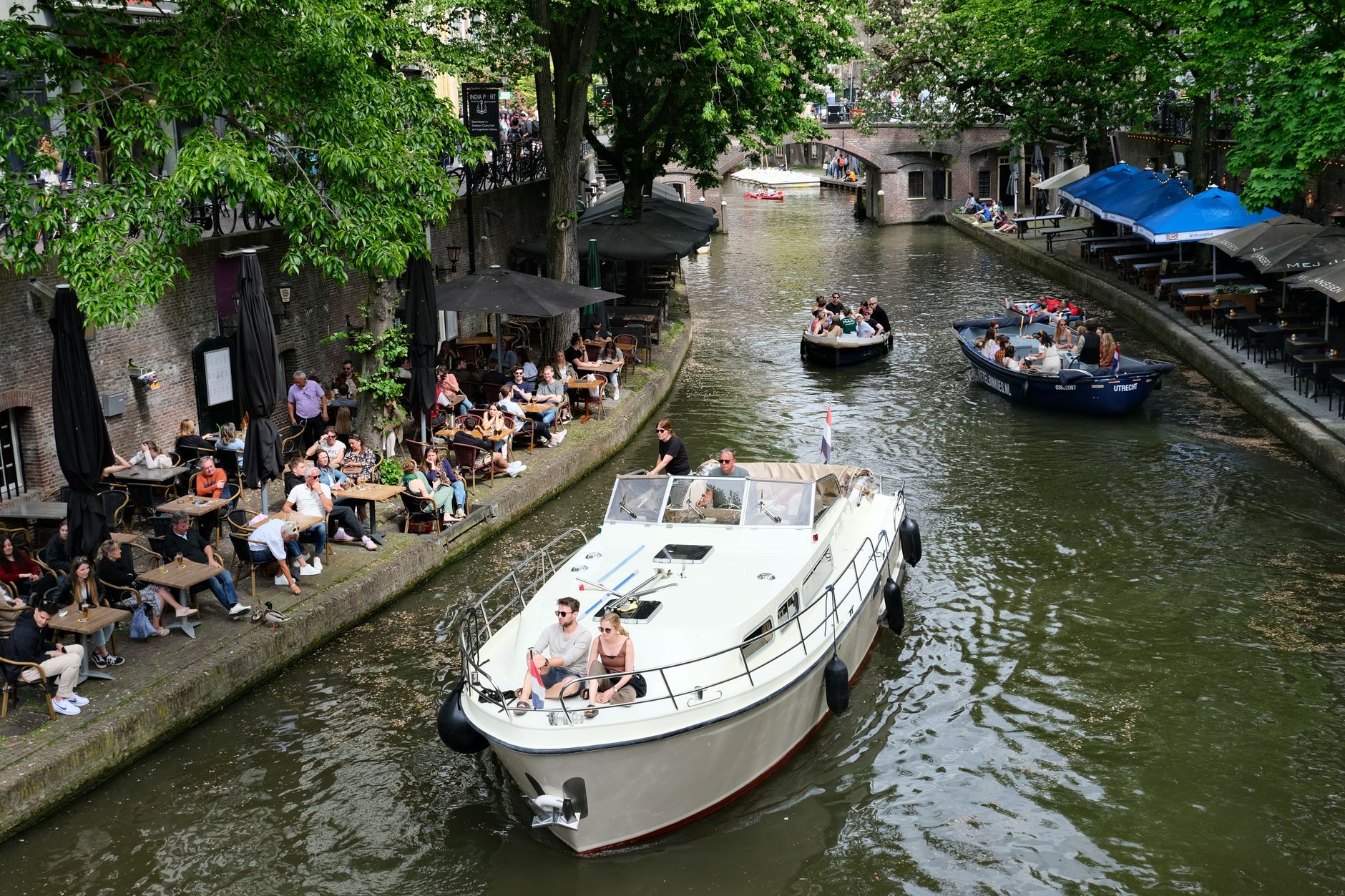 Itineraries · 9 min read
48 hours in Utrecht
Itineraries · 9 min read
48 hours in Utrecht
Two days is enough to climb the 112-metre Domtoren, eat on a wharf cellar terrace and cycle out to a river estate — this plan covers all three, with about 20 kilometres of easy cycling built in.
 Itineraries · 10 min read
One week in Utrecht
Itineraries · 10 min read
One week in Utrecht
Seven days lets you treat Utrecht as a base rather than a stop: three days in the city, four out on the Heuvelrug ridge, the Vecht lakes and the castle belt, with roughly 120 kilometres of cycling if you want it.
 Itineraries · 9 min read
Utrecht in 3 days on a budget
Itineraries · 9 min read
Utrecht in 3 days on a budget
A three-day plan that lands around €50 to €70 a day including a hostel bed, built on free parks, forts and church towers, a €4.55 station bike and market food instead of restaurants.
Same rooms, same prices you would pay anywhere else, with one verified tonne of carbon removal funded by every booking you make here.