When to visit Utrecht
Utrecht works in all 12 months, but the gap between a May weekend on the wharves and a wet Tuesday in January is enormous. Here is the month-by-month reality, including which 4 dates you must book ahead for.
 Blossom over a canal wharf terrace in Utrecht in spring
The short verdict by season
Best overall: late April to mid June, and September. You get long daylight, 18 to 23 degrees, blossom or late-summer light, and terraces on the Oudegracht wharves that only work when it is dry. July and August are warm and festive but bring the largest crowds at Kasteel de Haar and the Loosdrechtse Plassen beaches, plus Dutch school holidays from mid July. October and November are for museums, brown cafés and the Heuvelrug in beech-leaf colour. December to February is cheap, dark by 16:45, and honestly fine if your plan is indoors.
Rain is spread through the year rather than concentrated, roughly 750 to 850 millimetres annually, so there is no dry season to aim for. What changes is temperature and wind: a February shower on an exposed cycle path along the Merwedekanaal feels far worse than a July one. Plan any trip on the assumption that you will get one wet half-day in three, and build in a museum, a brewery taproom or a covered market as a fallback. Locals cycle in all of it, in a coat, without comment.
March to May: blossom, King’s Day and the best cycling
March is unreliable, with highs of 9 to 13 degrees, but it is when the Heuvelrug wakes up and hotel rates are still low, roughly €100 to €130 for a mid-range double. April is the sweet spot for nature: cherry blossom on the Maliebaan and around Wilhelminapark, bluebells and wood anemone in Amelisweerd, and the Keukenhof bulb gardens open from late March to mid May, reachable in about 90 minutes by train to Leiden or Schiphol plus a shuttle bus. Bring layers; nights still drop to 4 degrees.
Two dates dominate the calendar. King’s Day, 27 April, turns the whole city into a street market and a boat party, with the canals jammed and hotels sold out for weeks beforehand at premium rates. The Liberation Festival on 5 May fills Park Transwijk with free stages and tens of thousands of people. Both are excellent if you want the country at full volume and miserable if you wanted quiet canals. May itself is arguably the single best month: 18 to 20 degrees, everything open, and the Utrechtse Heuvelrug in full leaf before the summer crowds.
June to August: water, festivals and school holidays
Summer highs sit around 22 to 24 degrees, with heat spells over 30 becoming more common; canal-house rooms often lack air conditioning, so check. This is the season for water. The Loosdrechtse Plassen and the Maarsseveense Plassen have supervised swimming beaches with parking fees of a few euros, electric sloops rent from about €80 for two hours, and you can paddle a canoe on the Oudegracht past the wharf cellars for roughly €12 an hour per person. Canal cruises run hourly from the Oudegracht at about €16.
Festival density is high: Canal Pride on the water in June, open-air classical and jazz programmes, and the Culturele Zondagen series that puts free performances into churches and squares. Dutch school holidays run roughly mid July to the end of August, which packs Kasteel de Haar, the Railway Museum and the beaches at weekends; go on weekday mornings. August evenings are the best of the year for a wharf terrace, and the Dom carillon over an empty Domplein at 22:00 is a genuinely free highlight.
September to November: film, music and the woods turning
September is the connoisseurs choice: 19 to 21 degrees in the first half, thinner crowds, warm canal water and the Netherlands Film Festival taking over Utrecht cinemas and squares in the last week, when the Golden Calf awards are handed out. October brings the beech and oak colour to the Kaapse Bossen near Doorn and the Amerongse Berg, plus mushroom season along the forest floors of the national park; a train to Driebergen-Zeist and a rented bike is the classic day. Hotel rates ease back to €110 to €140.
November is dark, damp and culturally the richest month. Le Guess Who, one of Europe’s more adventurous music festivals, spreads across TivoliVredenburg and smaller venues in the second week and fills the city’s beds. Museum Speelklok, Centraal Museum and Museum Catharijneconvent are all at their best when it is raining, and brown cafés put erwtensoep, the thick pea soup, back on the board. Pack a waterproof rather than an umbrella, because the wind on the bridges destroys umbrellas with reliable regularity.
December to February: cheap, dark, and surprisingly good
Expect highs of 4 to 8 degrees, sunset between 16:30 and 17:30, and rooms at their lowest, often €90 to €120 midweek. December has small Christmas markets, lights along the Oudegracht and a temporary ice rink in some years, though nothing on the scale of German markets. Shops open Sunday from 12:00 to 18:00 and stay busy in the run-up; between Christmas and New Year the city is lively but many small restaurants close for a week, so check before travelling.
January and February are for locals: cellar bars, jenever tastings, the Dom Church interior for a donation, and long walks on the Heuvelrug where the sandy tracks drain well after rain. Real skating on the Loosdrecht lakes happens only in a hard frost, perhaps one winter in five, and is worth chasing if it comes. Practical notes: it is rarely icy enough to stop cycling but salt is not spread on every path, and the wind chill on the polder cycle routes north of the city is the coldest you will feel here.
Crowds, prices and what to book in advance
Utrecht is not Amsterdam. Even in August the centre is walkable, and queues form at only a handful of places: the Dom Tower climb, Rietveld Schröder House, which admits small timed groups, and Kasteel de Haar on sunny Sundays. Book those three online days ahead in summer. Restaurants take reservations and are genuinely full on Friday and Saturday evenings from 19:00; a Tuesday walk-in almost always works. Museums are quietest at opening, around 10:00 or 11:00, and closed on Mondays in several cases.
For price planning, the pattern is simple: Sunday to Wednesday is cheapest, Thursday to Saturday costs 20 to 30 percent more, and the four peak dates are King’s Day, Liberation Day weekend, the film festival week and Le Guess Who. If you want the site’s core combination of city, nature and low-impact travel, aim for the second half of May or the second half of September: the trains are quiet, the Heuvelrug is at its best, and you will not need a car for a single day of it.
Frequently asked questions
What people ask before they set off on this one.
May and September. Both give you 18 to 22 degree days, long light, open terraces and comfortable cycling to Amelisweerd or the Heuvelrug, without the July and August crowds. May adds blossom and the full spring green; September adds warm water, the Netherlands Film Festival and slightly lower hotel rates. Avoid the last week of April if you dislike crowds, and the second week of November if you have not booked a room.
It rains often but rarely for long, with 750 to 850 millimetres a year spread across all months and typically falling as showers. Assume roughly one wet half-day in three and carry a proper waterproof jacket rather than an umbrella, because bridge and canal-side wind wrecks them. The city is well set up for it: covered markets, wharf-cellar cafés and a dozen museums within walking distance.
Yes, if your plan is indoors-plus-walks. Museum Speelklok, Centraal Museum, Museum Catharijneconvent and the Railway Museum are all excellent in poor weather, hotel rates drop to around €90 to €120 midweek, and the Heuvelrug sand tracks stay walkable after rain. Accept that it is dark by 16:45 in December and that a handful of small restaurants close between Christmas and New Year.
King’s Day falls on 27 April, with the evening before, Koningsnacht, already busy. Utrecht throws a large free market and a boat-heavy canal party, and it is one of the best days of the year to be in the Netherlands. Hotels sell out weeks ahead at premium rates, though, and museums and many shops close, so it is a poor choice if you came for quiet canals or gallery time.
Yes. The Loosdrechtse Plassen and the Maarsseveense Plassen both have supervised beaches within 20 to 30 minutes of the city by train or bike, with small entry or parking fees. Water quality is monitored and blue-green algae warnings are posted in hot spells, so check the official swimming-water information before you go. Swimming in the city canals is not advisable because of boat traffic and depth.
Hotels in Utrecht
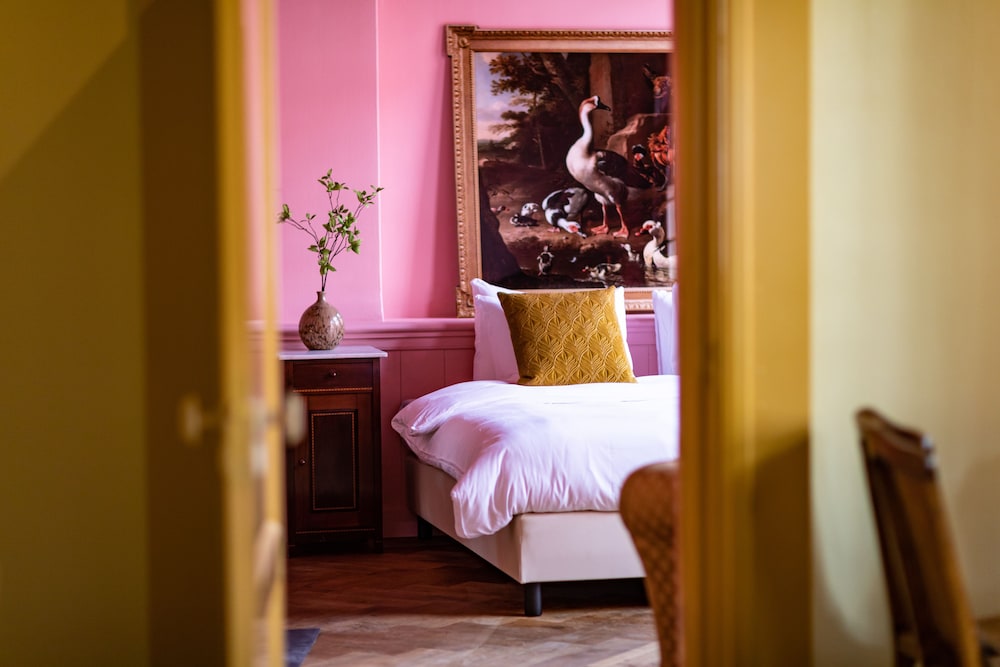
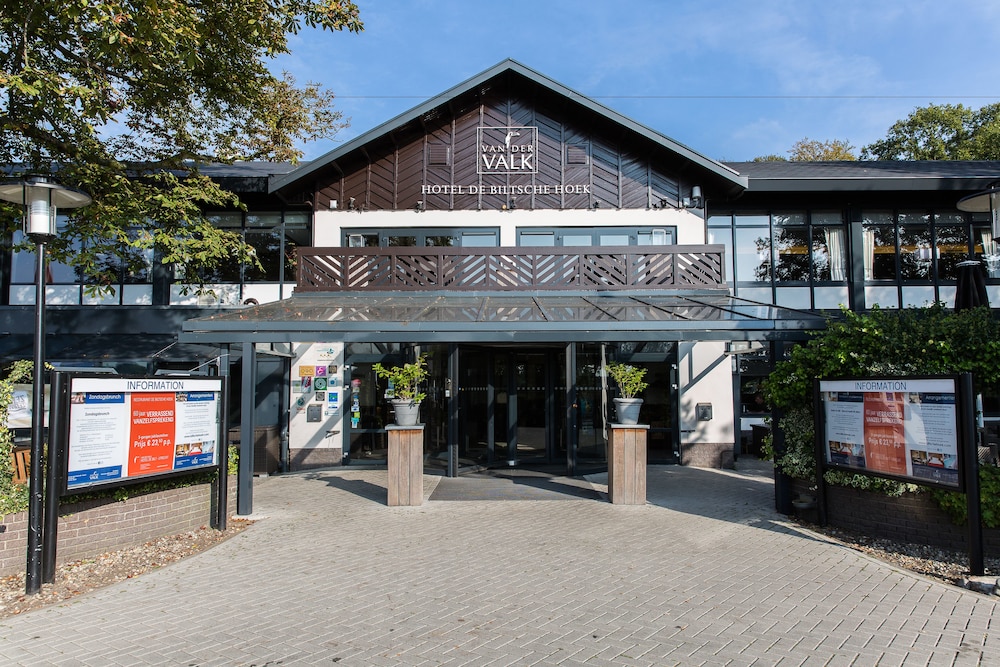
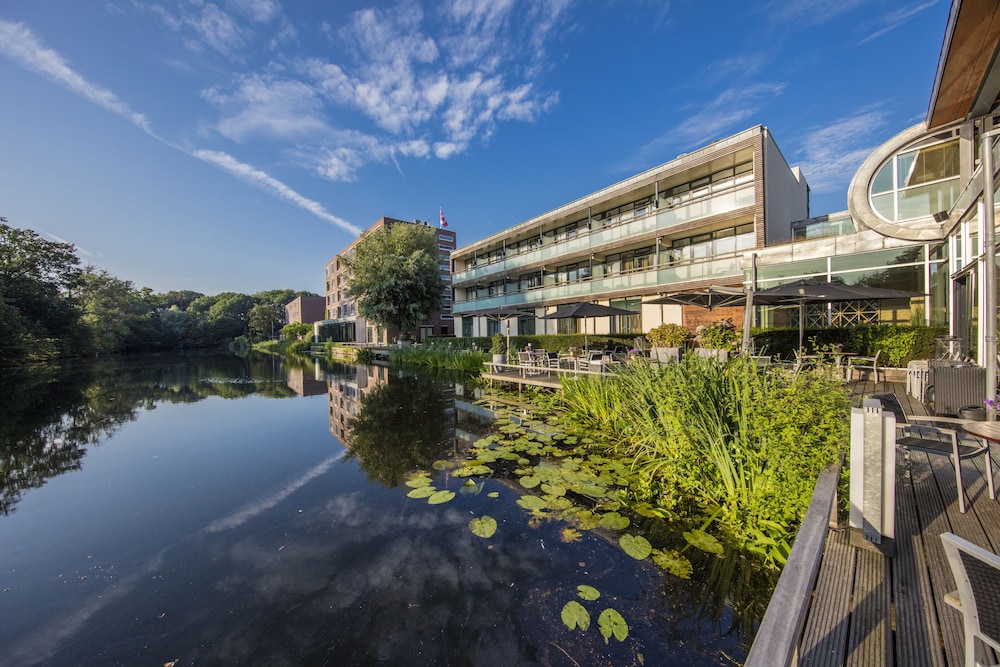
Hotels we cover across Utrecht
- Berghut 4★
- Bohemian Experience Wellness Jacuzzi Sauna BBQ Garden Sleeps 14 4★
- BoHo Experience Wellness Jacuzzi Sauna BBQ Garden Sleeps 10 4★
- By Balu 4★
- Canal Garden Apartment 4★
- Canal Garden Apartment 11 4★
- City centre Loft on the historic Canal 4★
- City District Apartment 4★
- City Garden Apartments 4★
- Cozy Cottage 4★
- Creative Valley Nest Luxury Rooftop Apartments 4★
- Crowne Plaza Utrecht Central Station by IHG 4★
- De Boomgaard Groene Hart 4★
- De Drie Linden 4★
- De Lindenhof 4★
- De Porrel Polsbroek Unit met Privé Jacuzzi Spa en Sauna 4★
- De Verrassing 4★
- Design Bb Bed&Bike Holiday Cottage Tiny Home in Spakenburg 4★
- Family House Wakker 4★
- Farmhouse bohemian style close to Amsterdam 4★
- Farmhouse Jacuzzi Sauna BBQ grill & Garden Sleeps 24 4★
- Farmhouse with terrace in Montfoort 4★
- Golden Tulip Amsterdam Vinkeveen 4★
- Gorgeous Home In Breukelen With House Sea View 4★
More guides to Utrecht
All guides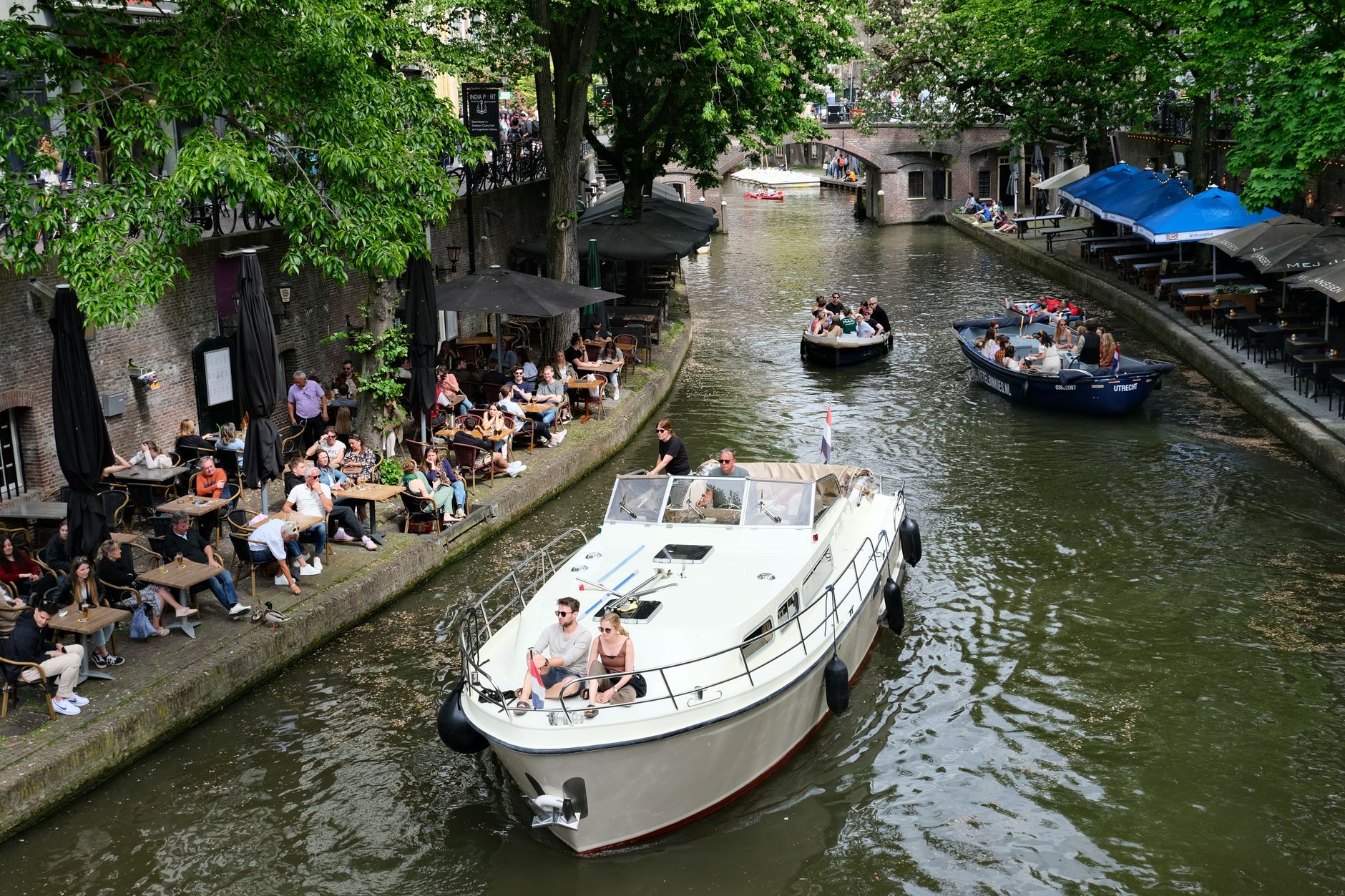 Itineraries · 9 min read
48 hours in Utrecht
Itineraries · 9 min read
48 hours in Utrecht
Two days is enough to climb the 112-metre Domtoren, eat on a wharf cellar terrace and cycle out to a river estate — this plan covers all three, with about 20 kilometres of easy cycling built in.
 Itineraries · 10 min read
One week in Utrecht
Itineraries · 10 min read
One week in Utrecht
Seven days lets you treat Utrecht as a base rather than a stop: three days in the city, four out on the Heuvelrug ridge, the Vecht lakes and the castle belt, with roughly 120 kilometres of cycling if you want it.
 Itineraries · 9 min read
Utrecht in 3 days on a budget
Itineraries · 9 min read
Utrecht in 3 days on a budget
A three-day plan that lands around €50 to €70 a day including a hostel bed, built on free parks, forts and church towers, a €4.55 station bike and market food instead of restaurants.
Same rooms, same prices you would pay anywhere else, with one verified tonne of carbon removal funded by every booking you make here.